
In fact, the most terrifying thing about going to the dentist over the last few decades was not the sound of the drill or the feeling of the needle. It was the “goop”! Everyone knows how it works – the dentist prepares a cold, chalky, chemical-tasting paste, puts it into an oversized metal/plastic tray and forces it into the mouth. You are asked to stay motionless for several long minutes during which you try not to gag as the paste solidifies. Any mistake, including swallowing the paste, breathing incorrectly or even moving slightly, results in failure and a repeat of the whole messy process. Blessedly, the era of gooey dental impressions is nearing its end thanks to the innovation known as 3D digital scanning. This is a revolutionary technology that turns the dental procedure into a high-tech process. In case you have not been to a modern dental office lately, here is how digital scanning changes dentistry forever. You just need to visit the Best Dental Clinic in Madurai.
What Is 3D Digital Scanning?
Unlike using chemical impressions for capturing the shape of your teeth and gums, 3D scanners are used by modern-day dentists for capturing your teeth. It is a lightweight scanning wand with optical sensors and micro cameras fitted onto it.The dentist moves this wand over your teeth; it takes thousands of images of your teeth per second, which the software compiles into a three-dimensional image in real time. The advanced software immediately merges these images to form a very accurate, three-dimensional digital image of your mouth on the computer screen.
Why Are 3D Scans Better Than Traditional Trays?
Going from using a mold to using a scanner is not just an improvement in technology – it is a revolution that changes the whole experience for the better. Advantages of 3D scanning over molds
Get Ready to Say Goodbye to Your Gag Reflex
The first thing the patient will appreciate is the comfort of the process. The wand is small, ergonomic, and does not touch the bottom part of the mouth. In case a patient needs to cough or swallow, the doctor can stop scanning and continue exactly where he left off.
Unmatched Micro-Accuracy
Traditional alginate or silicone impressions are susceptible to human and material mistakes. The material may warp, bubble, or tear off when taken out of the mouth. Any microscopic mistake could lead to poorly-fitting dental crowns, bridges, or aligners, needing painful modifications later on. 3D scanning machines scan your teeth to a micrometer, ensuring that the custom dental appliance fits perfectly in one go.
Immediate Visualization and Increased Communication
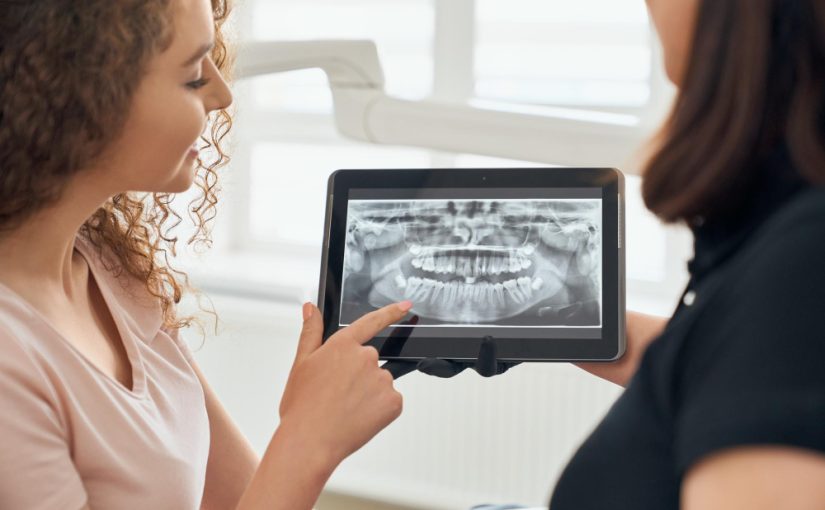
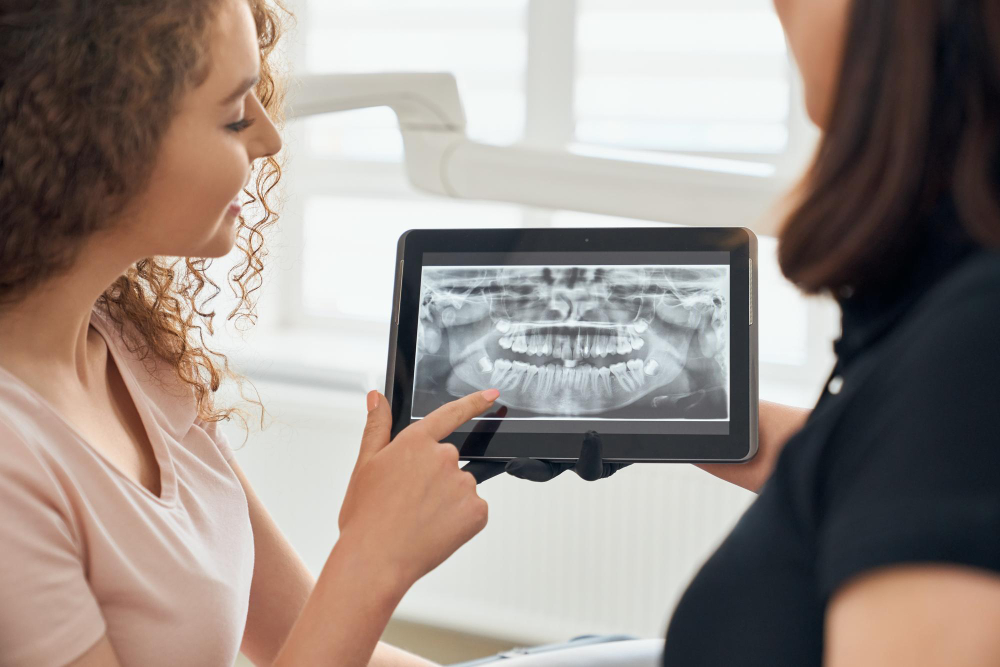
Using old trays, you helplessly wait in the chair as all the magic takes place behind closed doors in the laboratory. Using 3D scanning technology, you have the privilege to view 3D images of your teeth on the screen itself.
The best dentist can rotate the image, zoom in on cracks, and explain in detail why you need a certain procedure. When you see the problem, it becomes really easy to make decisions concerning your oral health.
Instantaneous Treatment Process
In the past, traditional molds were required to be physically packaged and delivered to the dental laboratory through couriers, which would take days or weeks. However, digital scans can be delivered to the dental lab instantly using just one mouse-click. Some cutting-edge clinics go further and connect their scanning device directly with in-house 3D printers or milling machines so that they can make custom crowns or night guards in a single appointment.
Transforming Major Dental Treatments
3D Scanning Technology has become the foundation for some of the most sought-after contemporary dental treatments:
- Clear Aligners & Braces: With the help of digital models, orthodontists can plan out precisely how your teeth will move. In addition, they can provide a digital simulation of your finished smile and let you see what it will look like even before you start your treatment.
- Crowns, Veneers, and Bridges: The restorations are planned and created with the help of a computer so that they fit into your bite perfectly without any adjustments.
- Dental Implants: Intraoral and 3D Bone (CBCT) scans help oral surgeons map out the exact place of implant surgery in order to avoid nerve damage.
Conclusion
The dental industry is changing fast, and technology like 3D intraoral scanners is no longer just an extra, but the new standard. It is one of those rare situations when the procedure becomes incredibly more comfortable for the patient while at the same time being more accurate for the dentist. Next time you visit the clinic to get a crown, night guard, or clear aligners, feel free to ask to use digital scans. You should visit the best dentist in Madurai.