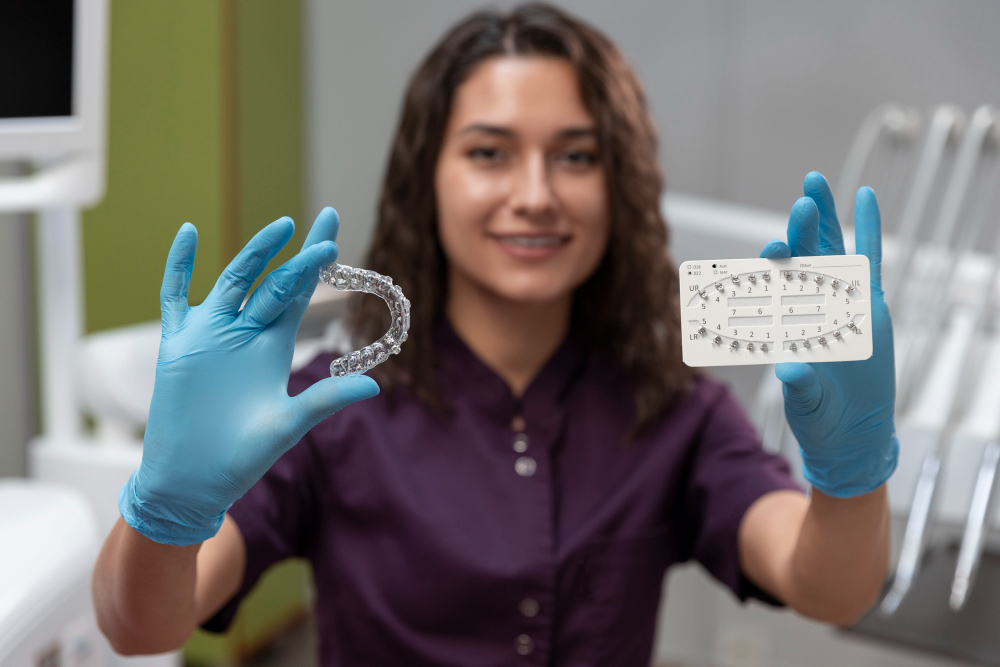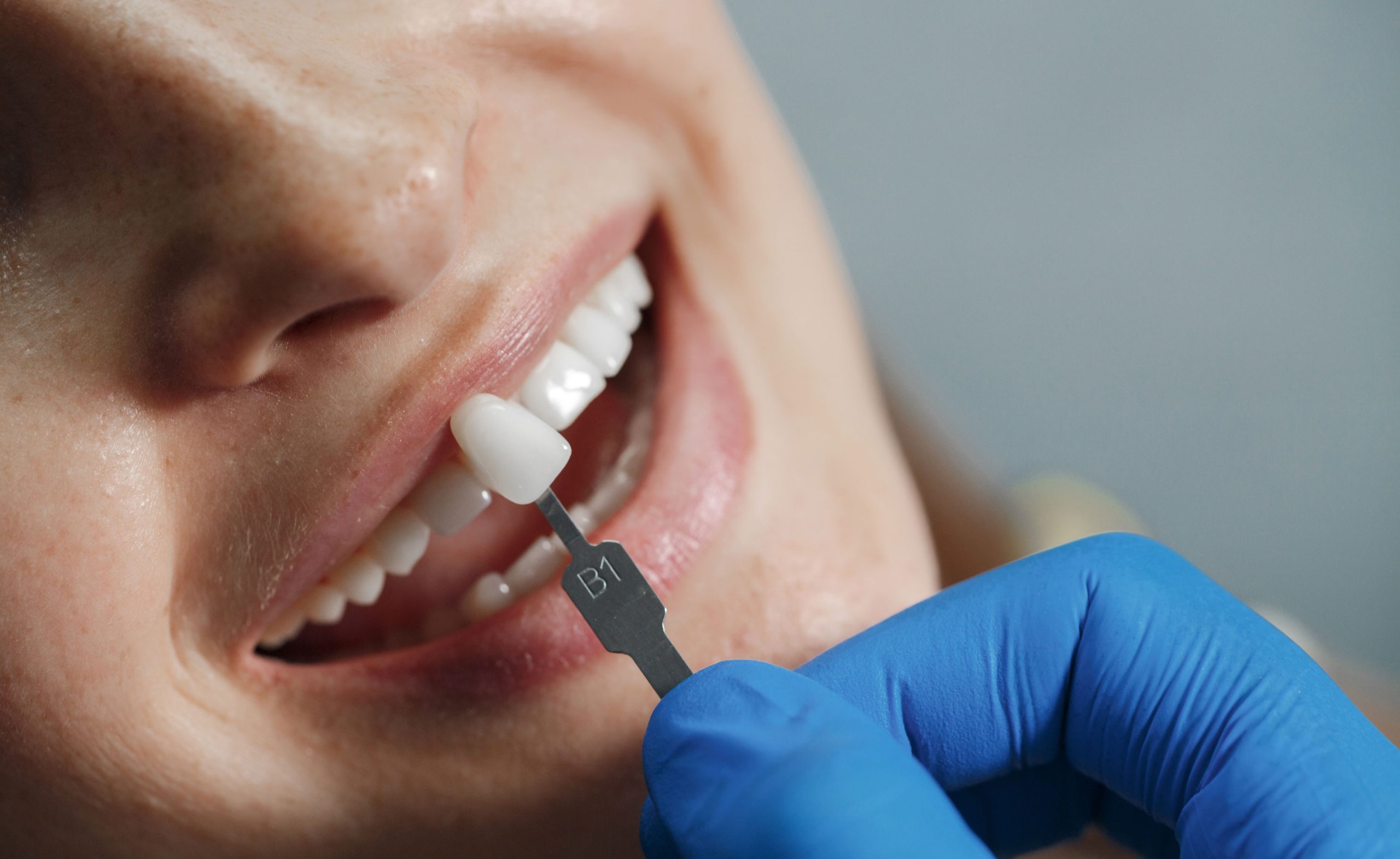


Dental tourism has become an increasingly popular option for international patients seeking quality treatment at competitive costs. India is known for its experienced dental professionals, modern treatment facilities, and access to advanced dental technologies. However, travelling to another country for dental implants requires careful planning. Choosing a reliable Dental Implant Center in Madurai can help foreign patients receive a properly planned treatment while ensuring their dental and travel needs are considered.
Understand Whether You Are a Suitable Candidate
Not every patient is immediately suitable for dental implant treatment. Before travelling to India, it is important to undergo an initial assessment. Factors such as jawbone density, gum health, the number of missing teeth, and overall oral condition can affect your treatment plan.
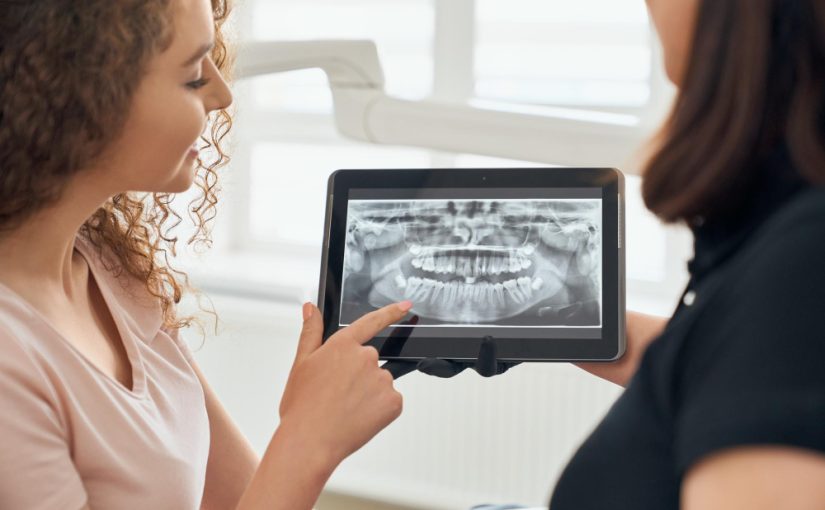
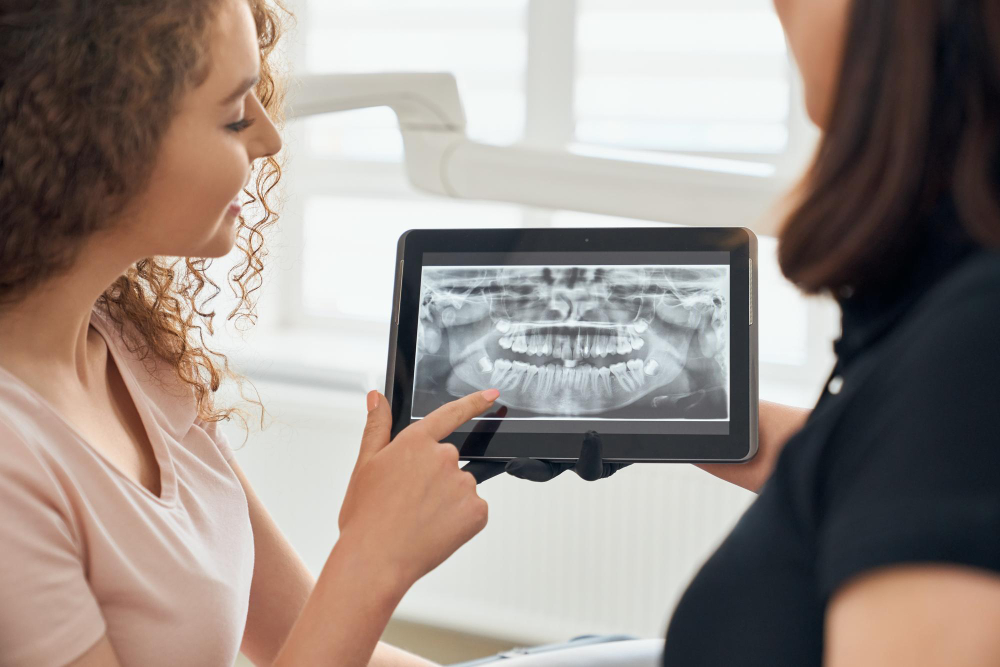
Foreign patients should share recent dental X-rays, scans, and relevant medical information with the dental team whenever possible. This may help the dentist provide an initial opinion before the patient travels. However, a final treatment recommendation should be based on an in-person examination and appropriate diagnostic imaging.
Know That Dental Implant Treatment Takes Time
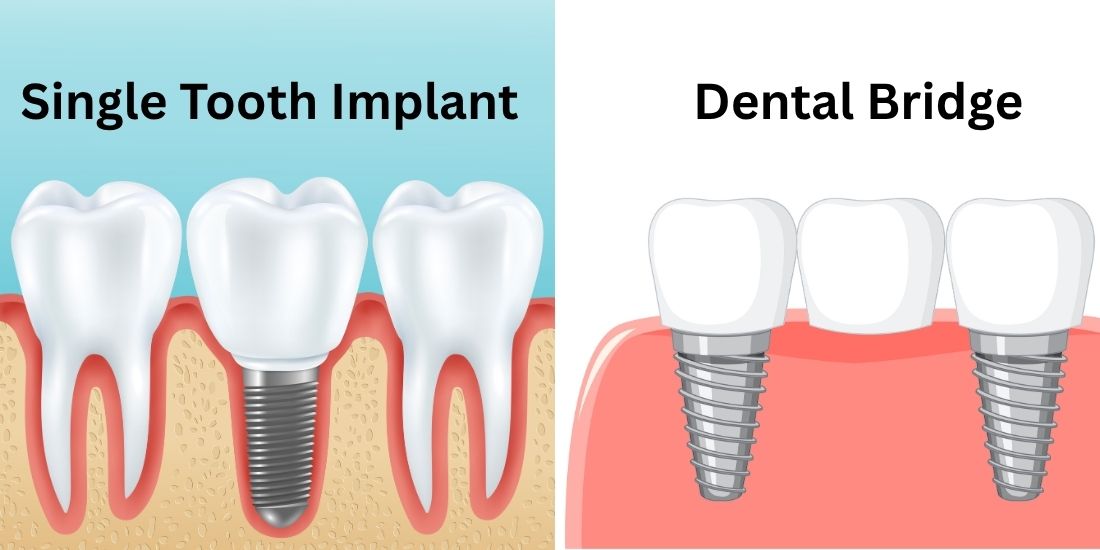
One of the most important things international patients should understand is that dental implant treatment may involve more than one stage. The implant is placed into the jawbone and usually requires a healing period before the final crown is attached.
The exact timeline varies from patient to patient. Some may be eligible for immediate or faster treatment protocols, while others may need additional healing time. Bone grafting, sinus procedures, or treatment for gum problems can also extend the overall process.
Before booking your trip, ask the dental clinic about the expected number of visits and the estimated duration of each stage.
Share Your Complete Medical and Dental History
Your dentist needs accurate information to plan treatment safely. Foreign patients should disclose relevant medical conditions, medications, allergies, previous surgeries, and dental treatment history.
Certain health conditions and medications may influence healing or require additional precautions during treatment. Being transparent with your dental team helps them prepare an appropriate and personalized treatment plan.
Ask About the Technology and Treatment Process
Dental implant treatment requires careful planning. Ask the clinic about the diagnostic procedures used before implant placement, such as digital imaging or 3D scans, when clinically required.
You should also understand the complete process, including implant placement, healing, the final restoration, and follow-up care. A trustworthy clinic should clearly explain what your treatment involves rather than promising the same timeline or outcome for every patient.
Consider the Total Cost, Not Just the Implant Price
One reason many international patients consider treatment in India is affordability. However, it is important to understand exactly what is included in the quoted treatment cost.
Ask whether the estimate includes consultations, diagnostic imaging, implant placement, abutments, crowns, temporary restorations, medications, and follow-up appointments. If additional procedures such as bone grafting are required, find out whether these will involve separate charges.
You should also consider travel expenses, accommodation, food, local transportation, and the possibility of an extended stay.
Plan Your Travel Around Recovery Time
Avoid planning a very tight travel schedule around your dental procedure. You may need time to rest and attend follow-up appointments before travelling back home.
Your dentist can advise you about the expected recovery period and when you may be comfortable returning to your normal activities. If your treatment involves multiple stages, you may also need to plan a second visit to India.
Keeping your return travel flexible can be helpful in case your treatment schedule needs adjustment.
Understand Aftercare Before You Return Home
Aftercare is an essential part of successful implant treatment. Before leaving India, ask for clear instructions regarding oral hygiene, diet, medications, and warning signs that require professional attention.
You should also receive details about the implant system and treatment performed. This information may be useful if you need follow-up care after returning to your home country.
It is also a good idea to identify a dentist near your home who can provide routine dental care and communicate with your treatment provider if necessary.
Why Choosing the Right Clinic Matters
Foreign patients should take time to evaluate the qualifications and experience of the dental team, the hygiene and safety standards followed by the clinic, available technology, and communication support.
At Elites Surya Dental Clinic, patients can discuss their dental concerns and receive an individualized treatment plan based on their oral health requirements. Clear communication, proper diagnosis, and realistic treatment planning are especially important when patients are travelling from another country.
Prepare the Right Questions Before Your Visit
Before confirming treatment, consider asking:
- How many visits will I need?
- How long should I stay in India?
- What diagnostic tests are required?
- Is bone grafting likely to be necessary?
- What is included in the treatment estimate?
- What implant system will be used?
- When can I safely travel after treatment?
- What follow-up care will I need at home?
Having these answers before travelling can help you plan your treatment and stay with greater confidence.
Final Thoughts
Getting dental implants in another country can be a practical option, but successful treatment begins with proper research and realistic planning. Understanding your eligibility, treatment timeline, total costs, travel requirements, and aftercare responsibilities can help you make a more informed decision.
If you are considering dental implants during your visit to India, choosing the Best Dental Clinic in Madurai and discussing your needs with an experienced dental team can help you plan treatment with greater clarity. A trusted Dental Implant Center in Madurai can provide the guidance needed to understand each stage of the procedure and make your dental journey more comfortable.