• suryamedigroups@gmail.com

  • +91- 9600968644

  • Aligners vs Traditional Braces: What Most Patients Overlook

    Aligners vs Traditional Braces

    When it comes to straightening teeth, most people focus on one question: should they choose aligners or traditional braces? While both options can effectively improve your smile, there are several factors patients often overlook before making a decision. Consulting the Best Dentist in Madurai can help you understand which treatment aligns best with your dental needs, lifestyle, and long-term goals.

    Understanding the Basics

    Traditional braces use metal or ceramic brackets connected by wires to gradually move teeth into their desired position. They have been a trusted orthodontic solution for decades and are suitable for treating mild to complex alignment issues.

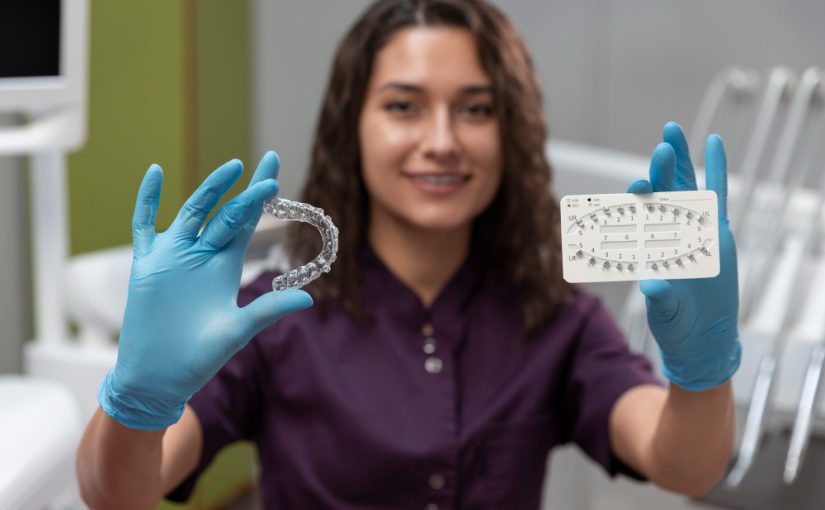
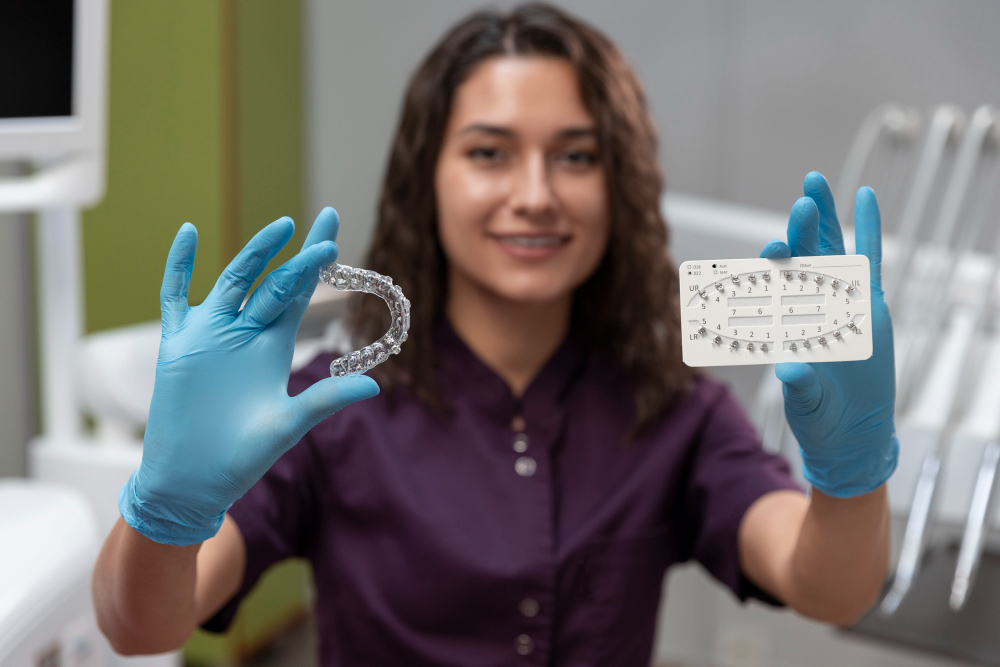
    Clear aligners, on the other hand, are removable trays custom-made to fit your teeth. They apply controlled pressure to shift teeth over time and are designed to be nearly invisible when worn.

    Appearance Matters, But It Isn’t Everything

    One of the biggest reasons patients choose aligners is their discreet appearance. Adults and professionals often prefer aligners because they are less noticeable than braces.

    However, aesthetics should not be the only deciding factor. Traditional braces can sometimes achieve results more efficiently in complex orthodontic cases, making them a better option despite being more visible.

    Patient Commitment Plays a Major Role

    Many people assume aligners are easier because they are removable. While this offers convenience, it also requires discipline. Aligners must be worn for 20–22 hours a day to achieve the desired results.

    Braces remain fixed to the teeth, eliminating the possibility of forgetting to wear them. For younger patients or those who may struggle with consistency, traditional braces may provide more predictable outcomes.

    Treatment Complexity Is Often Overlooked

    Clear aligners have advanced significantly in recent years and can treat a wide range of alignment issues. However, severe crowding, complex bite problems, or significant tooth movement may still be better managed with traditional braces.

    A detailed orthodontic evaluation is essential to determine which option can deliver the most effective and stable results.

    Oral Hygiene Considerations

    Aligners offer a clear advantage when it comes to maintaining oral hygiene. Since they can be removed while eating and brushing, patients can clean their teeth more effectively.

    Braces require extra care because food particles can become trapped around brackets and wires. Patients need to follow a dedicated cleaning routine to avoid plaque buildup and gum problems during treatment.

    Comfort and Lifestyle Differences

    Aligners generally cause less irritation because they do not have metal components that can rub against the cheeks and lips. They also allow patients to eat their favorite foods without restrictions.

    Traditional braces, however, may require avoiding hard, sticky, or chewy foods to prevent damage to brackets and wires. While some discomfort is expected with both treatments, patients often find aligners more convenient for everyday life.

    Long-Term Results Depend on Retention

    Regardless of whether you choose aligners or braces, retaining the results is crucial. Many patients focus entirely on the treatment phase and overlook the importance of wearing retainers afterward.

    Without proper retention, teeth can gradually shift back toward their original positions, reducing the effectiveness of the treatment.

    Making the Right Choice

    There is no one-size-fits-all solution when it comes to orthodontic treatment. The best choice depends on factors such as the complexity of your case, your lifestyle, budget, and commitment to treatment.

    If you’re considering straightening your teeth, seek guidance from the best dentist. A consultation at a Best Dental Clinic in Madurai can help you compare aligners and traditional braces, understand their benefits and limitations, and choose the option that delivers the healthiest and most confident smile.

    Why Cheap Dental Treatments Might Cost You Double Next Year?

    Dental Treatments

    There is nothing better than getting a good bargain. This applies not only to electronics, but also to discounts on clothes and budget vacation packages. But there is one field in which trying to save on the price can become really counterproductive – your health care, namely, your teeth. When you hear about any dental clinic advertising its dental treatments like root canal treatment or implants for a very low price compared to the market average, the temptation is very high. But cheap dentistry is never a good deal. On the contrary, it usually means having to spend twice or even three times more than the initial savings. Therefore, it is important to choose the best dental clinic in Madurai

    Here is a glimpse into the reasons why affordable dental procedures ultimately cost you more, and how you can safeguard yourself against both poor health and financial distress.

    Reasons Why Affordable Dental Treatments Ultimately Cost You More 

    1. Poor-Quality Materials 

    Are dentures, crowns, bridges, or even fillings really supposed to be made from poor-quality materials? They must be built from bio-compatible and top-quality materials that are capable of enduring the enormous pressure of our daily chewing. 

    • Cheap Option: Budget dentists use cheap composite resins, low-quality metals, or just no-name implants. 
    • Backfired on Cost Basis: Such materials are more likely to crack, chip, or leak. It means that if you got a cheap filling, which leaked, it will let the bacteria back under your tooth and cause a root canal sooner or later. The same is true for crowns that may crack in a year or two. 
    1. Outdated Technology Limits Accuracy

    Today’s dentistry uses numerous sophisticated techniques in order to diagnose a variety of problems. Such technologies as digital CBCT (3D X-ray scans), intraoral scanners and dental microscopes enable doctors to find problems that cannot be found by a naked eye or even simple 2D X-rays.

    • The Cost-Cutting Consequences: Sophisticated digital technologies require huge expenses to purchase and maintain them. In order to save money, cheap dentists use outdated technology instead of the sophisticated one.
    • The Money Pit: If there is no high resolution scan, then the dentist can simply miss additional root canal branching or underestimate bone density when implanting a tooth. As a result, after one year, when implants fail to work because of initial inaccuracy, the total cost of removal and treatment of an infection becomes extremely high. 
    1. Band-Aids vs. Holistic Care 

    A trustworthy dentist examines your oral cavity as an integrated ecosystem and figures out what causes your pain and misalignment, not just how to treat its manifestations.

    • The Cheaper Choice: High volume and low prices mean that such clinics run on a “turn and burn” principle. Due to extremely low profit margins on every patient, they have to examine as many people as they can every single day. It affects the quality of diagnosis greatly. 
    • The Repercussions: If a dentist repairs your damaged tooth without dealing with the problem of severe nighttime bruxism which led to its cracking, your restored tooth will be damaged again soon. 
    1. Sterilization and Patient Safety 

    Sterilization needs highly advanced medical tools such as Class B autoclave and chemicals, and specialized personnel to use them. Sterilization is a time-consuming, resource-intensive process. 

    • The Cheapest Option: An effective way for an office to reduce its expenses is to cut down on sterilization procedures or to reutilize the single use products. 
    • The Repercussions: Infections can occur due to cross-contamination. The treatment of deep bone tissue infection caused by unsterile tools will require special measures and antibiotics which will be much more expensive than the initial savings. 

    Value Indicators You Should Be Looking For (Not To Get Ripped Off)

    Investing in good dentistry does not necessarily mean that you should choose the most luxurious dental clinic in the city. Here is what you need to be looking for as signs of value: 

    • The clinic should be clear about the brand, warranty and material of the crown or implant you get. Endodontists and orthodontists are specialists dealing with specific procedures, like root canals and braces, respectively. 
    • Longevity of results – patients happy with their treatment five years later. 

    Conclusion 

    Your teeth can not regenerate. Once you lose your tooth enamel or jawbone due to bad dental practice, it can not be regrown. When you choose a reputable multi-specialist dental clinic, you do not buy just one service – you also purchase expertise, reliability and confidence. Visit the best dentist in Madurai todayTake care of your dentition as an investment, not something to haggle about like non-biological things. 

    Why Delaying a Missing Tooth Replacement Can Cost You More Than You Think

    Tooth Replacement

    Losing a tooth may seem like a minor issue, especially if the gap is not immediately visible when you smile. However, postponing treatment for a missing tooth can lead to a range of oral health problems that become more difficult and expensive to correct over time. Consulting the Best Dentist in Madurai for tooth replacement as soon as possible can help you avoid these complications and maintain a healthy, confident smile.

    The Hidden Consequences of Missing Teeth

    Many people assume that a missing tooth only affects their appearance. In reality, every tooth in your mouth plays a crucial role in maintaining proper alignment, chewing efficiency, and jawbone health. When a tooth is lost and not replaced, the surrounding teeth begin to shift toward the empty space, causing misalignment and bite issues.

    Over time, these changes can result in difficulty chewing, speech problems, and increased wear on neighboring teeth.

    Bone Loss Begins Earlier Than You Think

    One of the most serious consequences of delaying tooth replacement is jawbone deterioration. Your tooth roots stimulate the jawbone whenever you chew. Once a tooth is lost, that stimulation disappears, causing the bone in that area to gradually shrink.

    Bone loss can alter your facial structure, making you appear older than your actual age. In severe cases, extensive bone loss may require additional procedures such as bone grafting before a replacement tooth can be placed.

    Increased Risk of Gum Disease and Tooth Decay

    The gap left by a missing tooth can trap food particles and bacteria more easily. This increases the risk of plaque buildup, gum disease, and decay in the surrounding teeth. As neighboring teeth shift out of position, cleaning becomes more difficult, further increasing the likelihood of oral health problems.

    Regular dental checkups can help detect these issues early, but replacing the missing tooth remains the most effective long-term solution.

    Higher Treatment Costs in the Future

    Many patients delay treatment to save money, but this decision often leads to higher costs later. What starts as a simple tooth replacement can eventually require orthodontic treatment, gum therapy, bone grafting, or multiple restorative procedures.

    Addressing a missing tooth promptly is usually more affordable and less invasive than correcting the complications that develop over time.

    Reduced Confidence and Quality of Life

    Missing teeth can impact more than just your oral health. Many people become self-conscious about smiling, speaking, or socializing. This loss of confidence can affect personal relationships and professional interactions.

    Replacing missing teeth can restore not only your smile but also your self-esteem and overall quality of life.

    Why Dental Implants Are the Preferred Solution

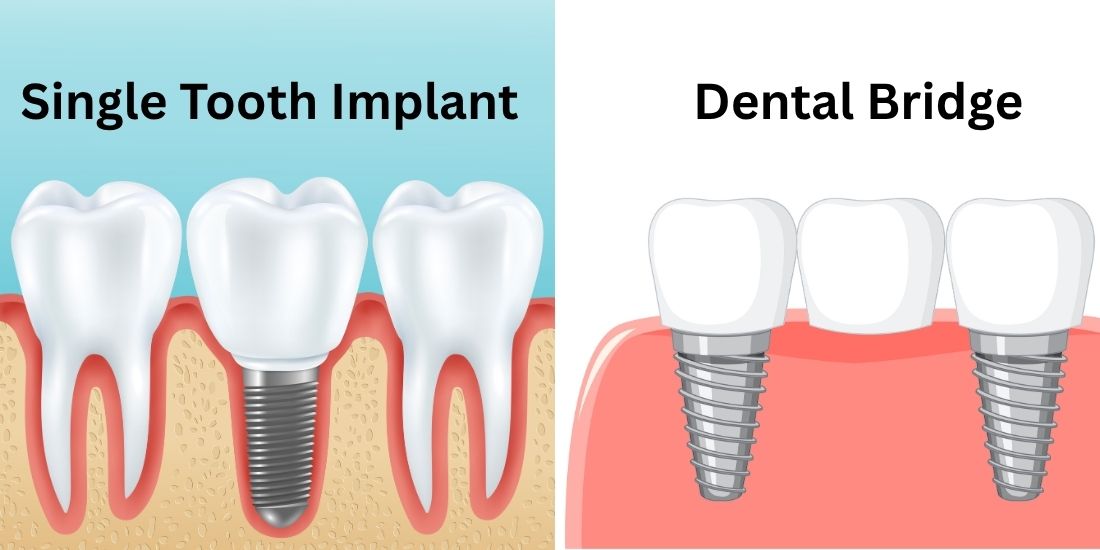
    Dental implants are widely considered the gold standard for replacing missing teeth. Unlike traditional bridges or removable dentures, implants replace both the tooth root and crown, helping preserve jawbone density and maintain natural function.

    A trusted Dental Implant Center in Madurai can evaluate your oral health and determine whether dental implants are the right solution for your needs. Modern implant procedures are safe, predictable, and designed to provide long-lasting results.

    Don’t Wait Until the Problem Gets Worse

    The longer you wait to replace a missing tooth, the greater the risk of complications affecting your oral health, appearance, and finances. Early intervention can help preserve your jawbone, protect neighboring teeth, and restore normal function before more extensive treatment becomes necessary.

    If you have recently lost a tooth or have been living with a gap in your smile, schedule a consultation with the Best Dentist in Madurai. At a leading Dental Implant Center in Madurai, you can explore advanced tooth replacement options that restore both your smile and your confidence for years to come.


    Why Regular Dental Visits Are Important for Long-Term Oral Health?

    Dental

    Maintaining good oral health goes well beyond just brushing and flossing at home. Regular dental check-ups matter a lot, because they help catch dental issues early, before it turns into something serious and expensive. When you regularly visit the Best Dental Clinic in Madurai, it really helps make sure your teeth and gums stay in good shape, for years ahead. Preventive dental care does more than safeguard your smile, it also supports your overall health and well being, in a more general sense.

    The Importance of Preventive Dental Care

    A lot of dental problems build up little by little and at first they might not show up with obvious symptoms. Things like cavities, gum disease, and enamel erosion can slowly get worse over time, especially if they are ignored. When you come in for regular dental visits, dentists are able to spot these issues early and then offer a prompt course of care.

    Also, professional cleanings do more than “just brush” your teeth. They lift away plaque and tartar buildup that regular brushing alone cannot manage properly. That sort of routine upkeep lowers the odds of tooth decay, and it supports gum health too, so your smile stays bright, and overall feels more comfortable. 

    Early Detection Saves Time and Money

    One of the biggest perks of routine dental check-ups is early diagnosis. Catching oral health issues early often means you get simpler, a lot less invasive, and more budget friendly treatments. 

    For example, a small cavity can usually be handled with a simple filling, while waiting too long may turn into larger procedures like crowns or even tooth extraction. Regular checkups also help stop minor problems from growing into bigger headaches, you know? 

    Protecting Your Gums and Supporting Overall Health

    Healthy gums are kind of the foundation for strong teeth. Gum disease often shows up quietly, and in the beginning it can feel like nothing, but then symptoms creep in… like bleeding gums, persistent bad breath, or a mild swelling that you notice only sometimes.

    Studies have suggested that weak oral health might connect with several other health issues, for example diabetes, heart disease, and even respiratory infections. Regular dental checkups keep oral hygiene on track, and they also help the rest of your body too, in a general way. 

    When Advanced Treatment Becomes Necessary

    Even if someone is doing the right preventive steps, some patients still end up with dental problems that need specialized attention. When that happens, treatments like Root Canal Treatment in Madurai can help rescue teeth that are badly damaged or infected, while also easing pain and bringing chewing back to normal function.

    Making regular visits to the dentist also improves the odds of catching issues earlier. So, things don’t slide all the way to the point where advanced treatment becomes necessary. 

    Professional Advice for Better Oral Hygiene

    Every patient is different, so dental needs tend to vary. During routine appointments, dentists share personalized recommendations about how to brush, how often to floss, dietary choices, and which preventive treatments might help most.

    These kinds of insights support patients in keeping oral hygiene stronger and also helps avoid bigger issues later.

    Building a Lifetime of Healthy Smiles

    Children, adults, and seniors can all gain from regular dental care. When people set up a rhythm of routine dental visits, it usually supports long term oral health, and helps preserve natural teeth for as long as realistically possible.

    Since dentists can keep watching closely, they are able to notice changes earlier, then suggest suitable treatments whenever needed, without waiting too long. 

    Conclusion

    Regular dental visits are one of the best ways to safeguard your oral health and avoid serious dental problems. With professional cleanings, early detection, and guidance from experts, routine check-ups do a lot for long term dental wellness. If you want to keep a healthy smile and receive comprehensive dental care, connect with the Best Dentist in Madurai, and make regular dental visits part of your family’s routine today.