• suryamedigroups@gmail.com

  • +91- 9600968644

  • What Foreign Patients Should Know Before Getting Dental Implants in India

    Dental Implant Center

    Dental tourism has become an increasingly popular option for international patients seeking quality treatment at competitive costs. India is known for its experienced dental professionals, modern treatment facilities, and access to advanced dental technologies. However, travelling to another country for dental implants requires careful planning. Choosing a reliable Dental Implant Center in Madurai can help foreign patients receive a properly planned treatment while ensuring their dental and travel needs are considered.

    Understand Whether You Are a Suitable Candidate

    Not every patient is immediately suitable for dental implant treatment. Before travelling to India, it is important to undergo an initial assessment. Factors such as jawbone density, gum health, the number of missing teeth, and overall oral condition can affect your treatment plan.

    Foreign patients should share recent dental X-rays, scans, and relevant medical information with the dental team whenever possible. This may help the dentist provide an initial opinion before the patient travels. However, a final treatment recommendation should be based on an in-person examination and appropriate diagnostic imaging.

    Know That Dental Implant Treatment Takes Time

    One of the most important things international patients should understand is that dental implant treatment may involve more than one stage. The implant is placed into the jawbone and usually requires a healing period before the final crown is attached.

    The exact timeline varies from patient to patient. Some may be eligible for immediate or faster treatment protocols, while others may need additional healing time. Bone grafting, sinus procedures, or treatment for gum problems can also extend the overall process.

    Before booking your trip, ask the dental clinic about the expected number of visits and the estimated duration of each stage.

    Share Your Complete Medical and Dental History

    Your dentist needs accurate information to plan treatment safely. Foreign patients should disclose relevant medical conditions, medications, allergies, previous surgeries, and dental treatment history.

    Certain health conditions and medications may influence healing or require additional precautions during treatment. Being transparent with your dental team helps them prepare an appropriate and personalized treatment plan.

    Ask About the Technology and Treatment Process

    Dental implant treatment requires careful planning. Ask the clinic about the diagnostic procedures used before implant placement, such as digital imaging or 3D scans, when clinically required.

    You should also understand the complete process, including implant placement, healing, the final restoration, and follow-up care. A trustworthy clinic should clearly explain what your treatment involves rather than promising the same timeline or outcome for every patient.

    Consider the Total Cost, Not Just the Implant Price

    One reason many international patients consider treatment in India is affordability. However, it is important to understand exactly what is included in the quoted treatment cost.

    Ask whether the estimate includes consultations, diagnostic imaging, implant placement, abutments, crowns, temporary restorations, medications, and follow-up appointments. If additional procedures such as bone grafting are required, find out whether these will involve separate charges.

    You should also consider travel expenses, accommodation, food, local transportation, and the possibility of an extended stay.

    Plan Your Travel Around Recovery Time

    Avoid planning a very tight travel schedule around your dental procedure. You may need time to rest and attend follow-up appointments before travelling back home.

    Your dentist can advise you about the expected recovery period and when you may be comfortable returning to your normal activities. If your treatment involves multiple stages, you may also need to plan a second visit to India.

    Keeping your return travel flexible can be helpful in case your treatment schedule needs adjustment.

    Understand Aftercare Before You Return Home

    Aftercare is an essential part of successful implant treatment. Before leaving India, ask for clear instructions regarding oral hygiene, diet, medications, and warning signs that require professional attention.

    You should also receive details about the implant system and treatment performed. This information may be useful if you need follow-up care after returning to your home country.

    It is also a good idea to identify a dentist near your home who can provide routine dental care and communicate with your treatment provider if necessary.

    Why Choosing the Right Clinic Matters

    Foreign patients should take time to evaluate the qualifications and experience of the dental team, the hygiene and safety standards followed by the clinic, available technology, and communication support.

    At Elites Surya Dental Clinic, patients can discuss their dental concerns and receive an individualized treatment plan based on their oral health requirements. Clear communication, proper diagnosis, and realistic treatment planning are especially important when patients are travelling from another country.

    Prepare the Right Questions Before Your Visit

    Before confirming treatment, consider asking:

    • How many visits will I need?
    • How long should I stay in India?
    • What diagnostic tests are required?
    • Is bone grafting likely to be necessary?
    • What is included in the treatment estimate?
    • What implant system will be used?
    • When can I safely travel after treatment?
    • What follow-up care will I need at home?

    Having these answers before travelling can help you plan your treatment and stay with greater confidence.

    Final Thoughts

    Getting dental implants in another country can be a practical option, but successful treatment begins with proper research and realistic planning. Understanding your eligibility, treatment timeline, total costs, travel requirements, and aftercare responsibilities can help you make a more informed decision.

    If you are considering dental implants during your visit to India, choosing the Best Dental Clinic in Madurai and discussing your needs with an experienced dental team can help you plan treatment with greater clarity. A trusted Dental Implant Center in Madurai can provide the guidance needed to understand each stage of the procedure and make your dental journey more comfortable.
    Single Tooth Implant vs Dental Bridge: What Works Better Long-Term?

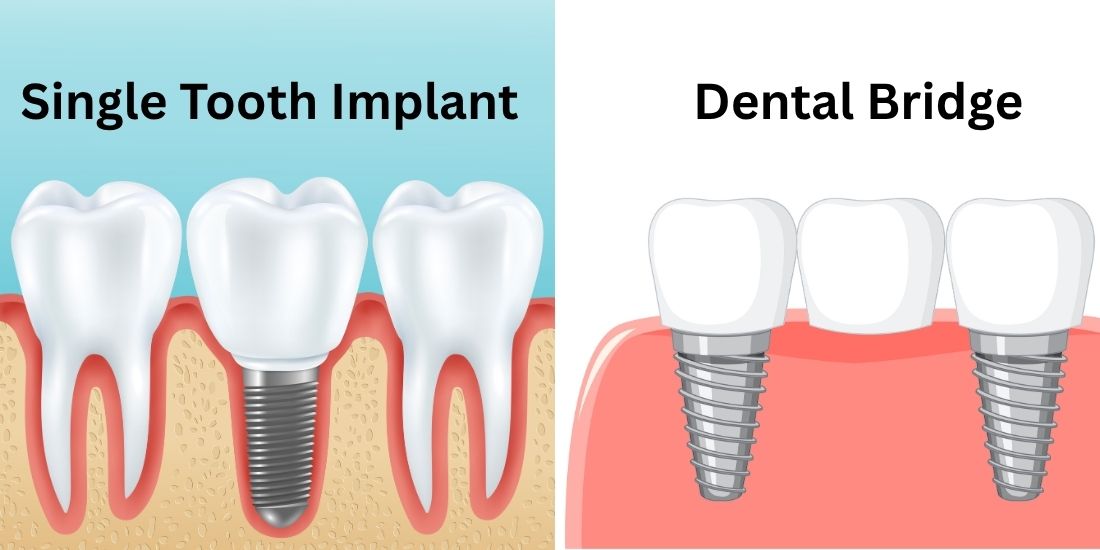
    Single Tooth Implant vs Dental Bridge

    Losing a single tooth can affect more than just your smile. It can change the way you chew, allow nearby teeth to shift, and gradually affect your oral health. Choosing the right replacement option is therefore an important decision. A consultation at a trusted Dental Implant Center in Madurai can help you understand whether a single tooth implant or a dental bridge is better suited to your long-term dental needs.

    Why Should a Missing Tooth Be Replaced?

    A missing tooth leaves an empty space that can affect the balance of your bite. Over time, neighboring teeth may begin moving toward the gap, potentially creating alignment problems. The jawbone in the area can also gradually lose density because it no longer receives stimulation from a natural tooth root.

    Replacing the tooth can help restore chewing function, maintain better dental alignment, and improve the appearance of your smile.

    What Is a Single Tooth Implant?

    A dental implant is designed to replace both the missing tooth and its root. A small titanium implant is placed into the jawbone, where it gradually integrates with the surrounding bone. After healing, an abutment and dental crown are attached to create a functional replacement tooth.

    One of the major advantages of an implant is that it does not require the neighboring healthy teeth to be reduced or modified for support.

    What Is a Dental Bridge?

    A dental bridge replaces a missing tooth by using the teeth on either side of the gap as support. These supporting teeth are generally prepared to accommodate crowns connected to an artificial tooth, known as a pontic.

    Bridges can restore appearance and chewing ability relatively quickly and may be suitable for patients who are not candidates for implants or prefer a different treatment approach.

    Implant vs Bridge: What Most Patients Overlook

    The initial cost and treatment duration are often the first things patients compare, but long-term considerations are equally important.

    Impact on Neighboring Teeth

    A single tooth implant stands independently and does not normally require adjacent teeth to provide support. A traditional bridge, however, relies on neighboring teeth.

    If the supporting teeth are already healthy, some patients may prefer avoiding unnecessary alteration of those teeth.

    Jawbone Preservation

    Implants replace the tooth root as well as the visible crown. This provides stimulation to the jawbone and can help reduce bone deterioration in the treated area.

    Traditional bridges replace the visible portion of the tooth but do not replace its root, so they do not provide the same direct stimulation to the underlying bone.

    Maintenance and Oral Hygiene

    Cleaning around an implant is generally similar to caring for a natural tooth, although patients still need to follow proper brushing, flossing, and professional cleaning routines.

    Bridges require careful cleaning underneath the artificial tooth and around the supporting teeth. Special flossing tools or interdental cleaners may be recommended to maintain good hygiene.

    Which Option Lasts Longer?

    Both implants and bridges can provide long-lasting tooth replacement when properly planned and maintained. However, their longevity depends on several factors, including oral hygiene, bite forces, general dental health, lifestyle habits, and regular dental visits.

    A properly maintained implant can offer a durable long-term solution, while a well-maintained bridge can also function effectively for many years.

    Why Professional Evaluation Matters

    At Elites Surya Dental Clinic, treatment planning is based on the patient’s individual oral condition rather than simply choosing the most popular option. Factors such as jawbone health, gum condition, neighboring teeth, bite alignment, medical history, and personal preferences can influence the recommended treatment.

    A detailed examination and appropriate dental imaging can help determine whether an implant or bridge is the more suitable solution.

    Cost vs Long-Term Value

    A bridge may have a lower initial treatment cost in some cases, while an implant may involve a higher upfront investment. However, comparing only the initial price can be misleading.

    The better approach is to consider the expected lifespan, maintenance requirements, impact on neighboring teeth, bone preservation, and future dental needs. Your dentist can explain the benefits, limitations, and expected costs of each option before treatment begins.

    Making the Right Choice for Your Smile

    There is no universal answer to whether an implant or bridge is better. For patients with adequate bone support and healthy surrounding tissues, a single tooth implant can offer a natural-looking and independent replacement. A dental bridge may be appropriate when an implant is unsuitable or when the surrounding teeth can effectively support the restoration.

    If you have a missing tooth and want to understand your treatment options, consult the Best Dental Clinic in Madurai for a personalized evaluation. The right treatment plan can restore your ability to chew comfortably, protect your remaining teeth, and help you maintain a healthy smile for years to come.

    Oil Pulling & Charcoal Pastes: Medical Facts vs. Social Media Myths

    Pastes

    Take a walk through TikTok or Instagram, and one will find influencers with teeth so darkly stained that they are black or swishing coconut oil that heals their cavities. The health and wellness world has embraced alternative dental fads with open arms. Activated charcoal pastes and oil pulling have been endorsed by many as natural remedies to whitening yellowing teeth, curing halitosis, and even treating other ailments. But how does scientific literature support such claims?

    While ignoring the visuals from social media, science tells us that social media fads confuse traditional practices with miraculous treatments. You should visit the best dental clinic in Madurai. Here is where we get into the science and dangers behind these two enormous fads. 

    Part 1: Oil Pulling — Ancient Ritual or Modern Miracle? 

    Oil pulling is not something that was discovered recently; it is an ancient practice in Ayurveda that has been around for thousands of years. It is done by swishing one tablespoon of vegetable oil in the mouth for 10 to 20 minutes on an empty stomach. 

    Myths about Social Media 

    • The Myth: It removes heavy metals and “toxins” from your bloodstream. 
    • The Myth: It is able to repair advanced cases of tooth decay and heal cavities. 
    • The Myth: It makes brushing and using chemical mouthwashes unnecessary. 

    There is no scientific or peer-reviewed proof that oil pulling is capable of reversing cavities, whitening your teeth or detoxifying your blood. This does not mean that oil pulling does not have any value at all. The coconut oil has lauric acid, and it has natural antimicrobial properties. There is clinical evidence to prove that swishing action plays a big role in breaking down plaque biofilm and reduces Streptococcus mutans (bacteria responsible for bad breath and tooth decay). All in all, it is basically a natural mouthwash. 

    The Unseen Dangers 

    • Lipoid Pneumonia: As you inhale (or aspirate) tiny oil particles during an intensive 20-minute workout, the oil is deposited in your lungs, causing lipoid pneumonia. 
    • Plumbing Clog: Dumping coconut oil down the drain or the toilet may clog your house’s plumbing system since it coagulates. Make sure to dispose of it in a bin. 

    Part 2: Charcoal Pastes — The Dark Side of White Teeth 

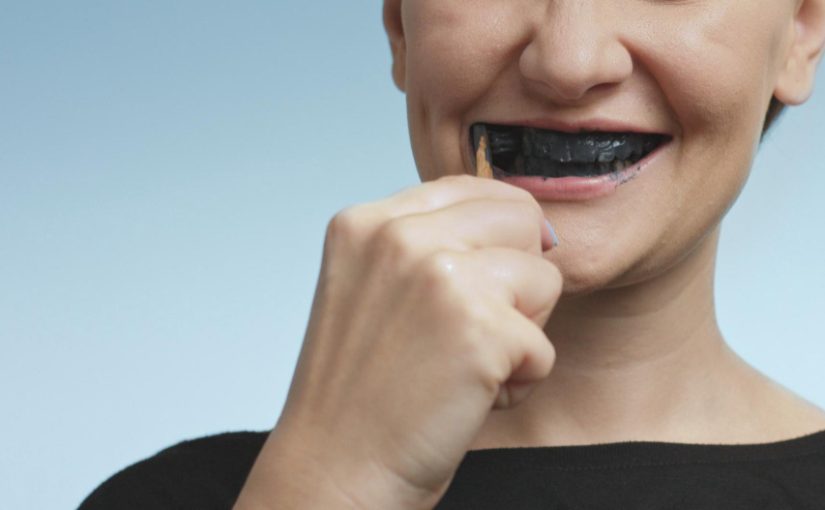
    Activated charcoal is a fine, black-colored powder derived from peat, coal, or coconut shells and processed under very high temperatures to increase its porosity. As it works as a magnet to attract toxins in medical emergencies, beauty products state that activated charcoal performs the same function in your teeth. 

    Social Media Misconceptions 

    • The Misconception: It digs out the internal dirt in your enamel to whiten your teeth professionally. 
    • The Misconception: It cleans your gums and kills germs in the mouth better than regular toothpaste. 

    The Medical Facts 

    Is there any possibility that charcoal toothpaste whitens your teeth? Yes, but certainly not in a safe way. Charcoal does nothing except scrubbing off stains through abrasion. In dentistry, the amount of abrasiveness of toothpaste is measured by something known as Relative Dentin Abrasivity (RDA). Whereby safe toothpastes ensure that the RDA value is maintained, most charcoal powders and toothpaste brands have high values of abrasion. It does not work by bleaching the stains with chemicals as professional hydrogen peroxide gel does; instead, it acts like sandpaper, removing stains along with your natural tooth enamel. 

    The Hidden Risks 

    • Permanent Enamel Erosion: As the enamel doesn’t regenerate, once it is scrubbed off by charcoal, it exposes the inner layer of yellow enamel (the dentin) of your teeth, thereby increasing the yellowness of your teeth over time. 
    • Severe Tooth Sensitivity: With dentin becoming exposed, you will feel a sharp pain upon eating or drinking anything hot, cold, or sweet. 
    • Cavity Risk: The overwhelming majority of charcoal toothpaste brands that use viruses are fluoride-free. When there is no fluoride in the toothpaste, then your teeth lack the major protection against decay. 
    • Black Staining: Ironically, the black particles of charcoal become trapped in the microscopic cracks in older teeth and dental bonding. 

    Conclusion 

    But if you wish to try the practice of oil pulling for the minor antibacterial effect and fresh breath, you are welcome to do it—as long as you brush your teeth at least twice a day with fluoride toothpaste and floss every time. However, you need to stop using all that raw charcoal powder and daily charcoal toothpaste altogether. If it’s bright white teeth you’re after, then go with clinically proven methods. Either use a bleaching toothpaste with low abrasion peroxide or discuss whitening procedures in the clinic with the best dentist in Madurai

    The Silent Signs Your Mouth Is Trying to Warn You About

    Silent Signs

    Your mouth often gives early clues about your overall health, but many people ignore these warning signs until they become painful or difficult to treat. Paying attention to subtle changes can help prevent serious dental problems and save you from costly procedures in the future. If you notice unusual symptoms, visiting the Best Dentist in Madurai at the earliest can make a significant difference in protecting your oral health.

    Why Your Mouth Speaks Before the Pain Starts

    Not every dental problem begins with severe pain. In many cases, your teeth and gums show silent symptoms long before discomfort appears. Recognizing these signs early allows for timely treatment and helps preserve your natural teeth.

    Ignoring these early indicators can lead to infections, gum disease, tooth loss, and even health complications that extend beyond your mouth.

    Bleeding Gums Should Never Be Ignored

    Many people believe that bleeding while brushing is normal, but healthy gums should not bleed. Persistent bleeding often indicates gingivitis, the earliest stage of gum disease.

    If left untreated, it can progress into periodontitis, damaging the tissues and bone that support your teeth.

    Persistent Bad Breath Isn’t Just About Food

    Occasional bad breath after eating certain foods is common, but chronic bad breath can signal an underlying dental issue. Plaque buildup, gum infections, tooth decay, or even dry mouth may be responsible.

    Professional dental cleaning and identifying the root cause are essential for long-term relief.

    Tooth Sensitivity Can Indicate Hidden Problems

    Sharp pain when drinking hot coffee or eating ice cream is often dismissed as normal sensitivity. However, it may indicate enamel erosion, cavities, cracked teeth, or exposed tooth roots.

    Early diagnosis can prevent the condition from worsening and reduce the need for extensive treatment.

    Mouth Ulcers That Don’t Heal

    Most mouth ulcers disappear within one to two weeks. If a sore persists longer than that, it should be evaluated by a dental professional. Persistent ulcers may result from infection, irritation, nutritional deficiencies, or other underlying conditions requiring attention.

    Loose Teeth Are Never a Normal Part of Aging

    Adult teeth should remain stable throughout life. If you notice a tooth becoming loose, it could indicate advanced gum disease, bone loss, or trauma.

    Prompt treatment can often prevent further damage and improve the chances of saving the affected tooth.

    Dry Mouth Can Increase Your Risk of Decay

    Saliva plays an important role in protecting your teeth by washing away bacteria and neutralizing acids. Constant dry mouth can increase the likelihood of cavities, gum disease, and oral infections.

    Staying hydrated and seeking professional advice can help identify the underlying cause.

    Jaw Pain and Frequent Headaches

    Pain around the jaw, difficulty opening your mouth, or frequent headaches may indicate teeth grinding (bruxism) or temporomandibular joint (TMJ) disorders. These conditions can gradually wear down your teeth and affect your quality of life if ignored.

    Don’t Ignore Changes in Your Smile

    Changes such as shifting teeth, receding gums, discoloration, or difficulty chewing often develop gradually. Because they occur slowly, many people fail to notice them until significant damage has already occurred.

    Regular dental checkups help identify these changes before they become major concerns.

    Expert Care Matters

    At Elites Surya Dental Clinic, patient care focuses on early diagnosis, advanced dental technology, and personalized treatment plans. Whether it’s preventive care, cosmetic dentistry, orthodontics, or restorative procedures, timely intervention can protect your smile and improve your overall oral health.

    Listen to What Your Mouth Is Telling You

    Your mouth constantly communicates its health through small warning signs. Paying attention to bleeding gums, persistent bad breath, sensitivity, ulcers, or loose teeth can help prevent more serious dental problems. Regular visits to the Best Dental Clinic in Madurai ensure these silent signs are detected early, helping you maintain a healthy, confident smile for years to come.

    No More Trays: The Rise of 3D Digital Scanning in Modern Dentistry

    3D Digital Scanning

    In fact, the most terrifying thing about going to the dentist over the last few decades was not the sound of the drill or the feeling of the needle. It was the “goop”! Everyone knows how it works – the dentist prepares a cold, chalky, chemical-tasting paste, puts it into an oversized metal/plastic tray and forces it into the mouth. You are asked to stay motionless for several long minutes during which you try not to gag as the paste solidifies. Any mistake, including swallowing the paste, breathing incorrectly or even moving slightly, results in failure and a repeat of the whole messy process. Blessedly, the era of gooey dental impressions is nearing its end thanks to the innovation known as 3D digital scanning. This is a revolutionary technology that turns the dental procedure into a high-tech process. In case you have not been to a modern dental office lately, here is how digital scanning changes dentistry forever. You just need to visit the Best Dental Clinic in Madurai

    What Is 3D Digital Scanning? 

    Unlike using chemical impressions for capturing the shape of your teeth and gums, 3D scanners are used by modern-day dentists for capturing your teeth. It is a lightweight scanning wand with optical sensors and micro cameras fitted onto it.The dentist moves this wand over your teeth; it takes thousands of images of your teeth per second, which the software compiles into a three-dimensional image in real time. The advanced software immediately merges these images to form a very accurate, three-dimensional digital image of your mouth on the computer screen.

    Why Are 3D Scans Better Than Traditional Trays?

    Going from using a mold to using a scanner is not just an improvement in technology – it is a revolution that changes the whole experience for the better. Advantages of 3D scanning over molds

    Get Ready to Say Goodbye to Your Gag Reflex 

    The first thing the patient will appreciate is the comfort of the process. The wand is small, ergonomic, and does not touch the bottom part of the mouth. In case a patient needs to cough or swallow, the doctor can stop scanning and continue exactly where he left off.

    Unmatched Micro-Accuracy

    Traditional alginate or silicone impressions are susceptible to human and material mistakes. The material may warp, bubble, or tear off when taken out of the mouth. Any microscopic mistake could lead to poorly-fitting dental crowns, bridges, or aligners, needing painful modifications later on. 3D scanning machines scan your teeth to a micrometer, ensuring that the custom dental appliance fits perfectly in one go.

    Immediate Visualization and Increased Communication 

    Using old trays, you helplessly wait in the chair as all the magic takes place behind closed doors in the laboratory. Using 3D scanning technology, you have the privilege to view 3D images of your teeth on the screen itself.

    The best dentist can rotate the image, zoom in on cracks, and explain in detail why you need a certain procedure. When you see the problem, it becomes really easy to make decisions concerning your oral health. 

    Instantaneous Treatment Process

    In the past, traditional molds were required to be physically packaged and delivered to the dental laboratory through couriers, which would take days or weeks. However, digital scans can be delivered to the dental lab instantly using just one mouse-click. Some cutting-edge clinics go further and connect their scanning device directly with in-house 3D printers or milling machines so that they can make custom crowns or night guards in a single appointment.

    Transforming Major Dental Treatments

    3D Scanning Technology has become the foundation for some of the most sought-after contemporary dental treatments:

    • Clear Aligners & Braces: With the help of digital models, orthodontists can plan out precisely how your teeth will move. In addition, they can provide a digital simulation of your finished smile and let you see what it will look like even before you start your treatment.
    • Crowns, Veneers, and Bridges: The restorations are planned and created with the help of a computer so that they fit into your bite perfectly without any adjustments.
    • Dental Implants: Intraoral and 3D Bone (CBCT) scans help oral surgeons map out the exact place of implant surgery in order to avoid nerve damage.

    Conclusion

    The dental industry is changing fast, and technology like 3D intraoral scanners is no longer just an extra, but the new standard. It is one of those rare situations when the procedure becomes incredibly more comfortable for the patient while at the same time being more accurate for the dentist. Next time you visit the clinic to get a crown, night guard, or clear aligners, feel free to ask  to use digital scans. You should visit the best dentist in Madurai

    Aligners vs Traditional Braces: What Most Patients Overlook

    Aligners vs Traditional Braces

    When it comes to straightening teeth, most people focus on one question: should they choose aligners or traditional braces? While both options can effectively improve your smile, there are several factors patients often overlook before making a decision. Consulting the Best Dentist in Madurai can help you understand which treatment aligns best with your dental needs, lifestyle, and long-term goals.

    Understanding the Basics

    Traditional braces use metal or ceramic brackets connected by wires to gradually move teeth into their desired position. They have been a trusted orthodontic solution for decades and are suitable for treating mild to complex alignment issues.

    Clear aligners, on the other hand, are removable trays custom-made to fit your teeth. They apply controlled pressure to shift teeth over time and are designed to be nearly invisible when worn.

    Appearance Matters, But It Isn’t Everything

    One of the biggest reasons patients choose aligners is their discreet appearance. Adults and professionals often prefer aligners because they are less noticeable than braces.

    However, aesthetics should not be the only deciding factor. Traditional braces can sometimes achieve results more efficiently in complex orthodontic cases, making them a better option despite being more visible.

    Patient Commitment Plays a Major Role

    Many people assume aligners are easier because they are removable. While this offers convenience, it also requires discipline. Aligners must be worn for 20–22 hours a day to achieve the desired results.

    Braces remain fixed to the teeth, eliminating the possibility of forgetting to wear them. For younger patients or those who may struggle with consistency, traditional braces may provide more predictable outcomes.

    Treatment Complexity Is Often Overlooked

    Clear aligners have advanced significantly in recent years and can treat a wide range of alignment issues. However, severe crowding, complex bite problems, or significant tooth movement may still be better managed with traditional braces.

    A detailed orthodontic evaluation is essential to determine which option can deliver the most effective and stable results.

    Oral Hygiene Considerations

    Aligners offer a clear advantage when it comes to maintaining oral hygiene. Since they can be removed while eating and brushing, patients can clean their teeth more effectively.

    Braces require extra care because food particles can become trapped around brackets and wires. Patients need to follow a dedicated cleaning routine to avoid plaque buildup and gum problems during treatment.

    Comfort and Lifestyle Differences

    Aligners generally cause less irritation because they do not have metal components that can rub against the cheeks and lips. They also allow patients to eat their favorite foods without restrictions.

    Traditional braces, however, may require avoiding hard, sticky, or chewy foods to prevent damage to brackets and wires. While some discomfort is expected with both treatments, patients often find aligners more convenient for everyday life.

    Long-Term Results Depend on Retention

    Regardless of whether you choose aligners or braces, retaining the results is crucial. Many patients focus entirely on the treatment phase and overlook the importance of wearing retainers afterward.

    Without proper retention, teeth can gradually shift back toward their original positions, reducing the effectiveness of the treatment.

    Making the Right Choice

    There is no one-size-fits-all solution when it comes to orthodontic treatment. The best choice depends on factors such as the complexity of your case, your lifestyle, budget, and commitment to treatment.

    If you’re considering straightening your teeth, seek guidance from the best dentist. A consultation at a Best Dental Clinic in Madurai can help you compare aligners and traditional braces, understand their benefits and limitations, and choose the option that delivers the healthiest and most confident smile.

    Why Cheap Dental Treatments Might Cost You Double Next Year?

    Dental Treatments

    There is nothing better than getting a good bargain. This applies not only to electronics, but also to discounts on clothes and budget vacation packages. But there is one field in which trying to save on the price can become really counterproductive – your health care, namely, your teeth. When you hear about any dental clinic advertising its dental treatments like root canal treatment or implants for a very low price compared to the market average, the temptation is very high. But cheap dentistry is never a good deal. On the contrary, it usually means having to spend twice or even three times more than the initial savings. Therefore, it is important to choose the best dental clinic in Madurai

    Here is a glimpse into the reasons why affordable dental procedures ultimately cost you more, and how you can safeguard yourself against both poor health and financial distress.

    Reasons Why Affordable Dental Treatments Ultimately Cost You More 

    1. Poor-Quality Materials 

    Are dentures, crowns, bridges, or even fillings really supposed to be made from poor-quality materials? They must be built from bio-compatible and top-quality materials that are capable of enduring the enormous pressure of our daily chewing. 

    • Cheap Option: Budget dentists use cheap composite resins, low-quality metals, or just no-name implants. 
    • Backfired on Cost Basis: Such materials are more likely to crack, chip, or leak. It means that if you got a cheap filling, which leaked, it will let the bacteria back under your tooth and cause a root canal sooner or later. The same is true for crowns that may crack in a year or two. 
    1. Outdated Technology Limits Accuracy

    Today’s dentistry uses numerous sophisticated techniques in order to diagnose a variety of problems. Such technologies as digital CBCT (3D X-ray scans), intraoral scanners and dental microscopes enable doctors to find problems that cannot be found by a naked eye or even simple 2D X-rays.

    • The Cost-Cutting Consequences: Sophisticated digital technologies require huge expenses to purchase and maintain them. In order to save money, cheap dentists use outdated technology instead of the sophisticated one.
    • The Money Pit: If there is no high resolution scan, then the dentist can simply miss additional root canal branching or underestimate bone density when implanting a tooth. As a result, after one year, when implants fail to work because of initial inaccuracy, the total cost of removal and treatment of an infection becomes extremely high. 
    1. Band-Aids vs. Holistic Care 

    A trustworthy dentist examines your oral cavity as an integrated ecosystem and figures out what causes your pain and misalignment, not just how to treat its manifestations.

    • The Cheaper Choice: High volume and low prices mean that such clinics run on a “turn and burn” principle. Due to extremely low profit margins on every patient, they have to examine as many people as they can every single day. It affects the quality of diagnosis greatly. 
    • The Repercussions: If a dentist repairs your damaged tooth without dealing with the problem of severe nighttime bruxism which led to its cracking, your restored tooth will be damaged again soon. 
    1. Sterilization and Patient Safety 

    Sterilization needs highly advanced medical tools such as Class B autoclave and chemicals, and specialized personnel to use them. Sterilization is a time-consuming, resource-intensive process. 

    • The Cheapest Option: An effective way for an office to reduce its expenses is to cut down on sterilization procedures or to reutilize the single use products. 
    • The Repercussions: Infections can occur due to cross-contamination. The treatment of deep bone tissue infection caused by unsterile tools will require special measures and antibiotics which will be much more expensive than the initial savings. 

    Value Indicators You Should Be Looking For (Not To Get Ripped Off)

    Investing in good dentistry does not necessarily mean that you should choose the most luxurious dental clinic in the city. Here is what you need to be looking for as signs of value: 

    • The clinic should be clear about the brand, warranty and material of the crown or implant you get. Endodontists and orthodontists are specialists dealing with specific procedures, like root canals and braces, respectively. 
    • Longevity of results – patients happy with their treatment five years later. 

    Conclusion 

    Your teeth can not regenerate. Once you lose your tooth enamel or jawbone due to bad dental practice, it can not be regrown. When you choose a reputable multi-specialist dental clinic, you do not buy just one service – you also purchase expertise, reliability and confidence. Visit the best dentist in Madurai todayTake care of your dentition as an investment, not something to haggle about like non-biological things. 

    Why Delaying a Missing Tooth Replacement Can Cost You More Than You Think

    Tooth Replacement

    Losing a tooth may seem like a minor issue, especially if the gap is not immediately visible when you smile. However, postponing treatment for a missing tooth can lead to a range of oral health problems that become more difficult and expensive to correct over time. Consulting the Best Dentist in Madurai for tooth replacement as soon as possible can help you avoid these complications and maintain a healthy, confident smile.

    The Hidden Consequences of Missing Teeth

    Many people assume that a missing tooth only affects their appearance. In reality, every tooth in your mouth plays a crucial role in maintaining proper alignment, chewing efficiency, and jawbone health. When a tooth is lost and not replaced, the surrounding teeth begin to shift toward the empty space, causing misalignment and bite issues.

    Over time, these changes can result in difficulty chewing, speech problems, and increased wear on neighboring teeth.

    Bone Loss Begins Earlier Than You Think

    One of the most serious consequences of delaying tooth replacement is jawbone deterioration. Your tooth roots stimulate the jawbone whenever you chew. Once a tooth is lost, that stimulation disappears, causing the bone in that area to gradually shrink.

    Bone loss can alter your facial structure, making you appear older than your actual age. In severe cases, extensive bone loss may require additional procedures such as bone grafting before a replacement tooth can be placed.

    Increased Risk of Gum Disease and Tooth Decay

    The gap left by a missing tooth can trap food particles and bacteria more easily. This increases the risk of plaque buildup, gum disease, and decay in the surrounding teeth. As neighboring teeth shift out of position, cleaning becomes more difficult, further increasing the likelihood of oral health problems.

    Regular dental checkups can help detect these issues early, but replacing the missing tooth remains the most effective long-term solution.

    Higher Treatment Costs in the Future

    Many patients delay treatment to save money, but this decision often leads to higher costs later. What starts as a simple tooth replacement can eventually require orthodontic treatment, gum therapy, bone grafting, or multiple restorative procedures.

    Addressing a missing tooth promptly is usually more affordable and less invasive than correcting the complications that develop over time.

    Reduced Confidence and Quality of Life

    Missing teeth can impact more than just your oral health. Many people become self-conscious about smiling, speaking, or socializing. This loss of confidence can affect personal relationships and professional interactions.

    Replacing missing teeth can restore not only your smile but also your self-esteem and overall quality of life.

    Why Dental Implants Are the Preferred Solution

    Dental implants are widely considered the gold standard for replacing missing teeth. Unlike traditional bridges or removable dentures, implants replace both the tooth root and crown, helping preserve jawbone density and maintain natural function.

    A trusted Dental Implant Center in Madurai can evaluate your oral health and determine whether dental implants are the right solution for your needs. Modern implant procedures are safe, predictable, and designed to provide long-lasting results.

    Don’t Wait Until the Problem Gets Worse

    The longer you wait to replace a missing tooth, the greater the risk of complications affecting your oral health, appearance, and finances. Early intervention can help preserve your jawbone, protect neighboring teeth, and restore normal function before more extensive treatment becomes necessary.

    If you have recently lost a tooth or have been living with a gap in your smile, schedule a consultation with the Best Dentist in Madurai. At a leading Dental Implant Center in Madurai, you can explore advanced tooth replacement options that restore both your smile and your confidence for years to come.


    Why Regular Dental Visits Are Important for Long-Term Oral Health?

    Dental

    Maintaining good oral health goes well beyond just brushing and flossing at home. Regular dental check-ups matter a lot, because they help catch dental issues early, before it turns into something serious and expensive. When you regularly visit the Best Dental Clinic in Madurai, it really helps make sure your teeth and gums stay in good shape, for years ahead. Preventive dental care does more than safeguard your smile, it also supports your overall health and well being, in a more general sense.

    The Importance of Preventive Dental Care

    A lot of dental problems build up little by little and at first they might not show up with obvious symptoms. Things like cavities, gum disease, and enamel erosion can slowly get worse over time, especially if they are ignored. When you come in for regular dental visits, dentists are able to spot these issues early and then offer a prompt course of care.

    Also, professional cleanings do more than “just brush” your teeth. They lift away plaque and tartar buildup that regular brushing alone cannot manage properly. That sort of routine upkeep lowers the odds of tooth decay, and it supports gum health too, so your smile stays bright, and overall feels more comfortable. 

    Early Detection Saves Time and Money

    One of the biggest perks of routine dental check-ups is early diagnosis. Catching oral health issues early often means you get simpler, a lot less invasive, and more budget friendly treatments. 

    For example, a small cavity can usually be handled with a simple filling, while waiting too long may turn into larger procedures like crowns or even tooth extraction. Regular checkups also help stop minor problems from growing into bigger headaches, you know? 

    Protecting Your Gums and Supporting Overall Health

    Healthy gums are kind of the foundation for strong teeth. Gum disease often shows up quietly, and in the beginning it can feel like nothing, but then symptoms creep in… like bleeding gums, persistent bad breath, or a mild swelling that you notice only sometimes.

    Studies have suggested that weak oral health might connect with several other health issues, for example diabetes, heart disease, and even respiratory infections. Regular dental checkups keep oral hygiene on track, and they also help the rest of your body too, in a general way. 

    When Advanced Treatment Becomes Necessary

    Even if someone is doing the right preventive steps, some patients still end up with dental problems that need specialized attention. When that happens, treatments like Root Canal Treatment in Madurai can help rescue teeth that are badly damaged or infected, while also easing pain and bringing chewing back to normal function.

    Making regular visits to the dentist also improves the odds of catching issues earlier. So, things don’t slide all the way to the point where advanced treatment becomes necessary. 

    Professional Advice for Better Oral Hygiene

    Every patient is different, so dental needs tend to vary. During routine appointments, dentists share personalized recommendations about how to brush, how often to floss, dietary choices, and which preventive treatments might help most.

    These kinds of insights support patients in keeping oral hygiene stronger and also helps avoid bigger issues later.

    Building a Lifetime of Healthy Smiles

    Children, adults, and seniors can all gain from regular dental care. When people set up a rhythm of routine dental visits, it usually supports long term oral health, and helps preserve natural teeth for as long as realistically possible.

    Since dentists can keep watching closely, they are able to notice changes earlier, then suggest suitable treatments whenever needed, without waiting too long. 

    Conclusion

    Regular dental visits are one of the best ways to safeguard your oral health and avoid serious dental problems. With professional cleanings, early detection, and guidance from experts, routine check-ups do a lot for long term dental wellness. If you want to keep a healthy smile and receive comprehensive dental care, connect with the Best Dentist in Madurai, and make regular dental visits part of your family’s routine today.

    How to Choose the Best Dental Clinic in Madurai for Your Family

    dental clinic

    Keeping oral health in good shape is basically essential for every member of the household, from kids to seniors. Picking the Best Dental clinic in Madurai really does make a major difference, when it comes to getting safe, comfortable, and long term dental care. A dependable dental clinic does more than just offer advanced treatments, it also cares about patient ease, proper hygiene , and preventive solutions for the whole family, not only for one person.

    Still, with so many options today, choosing the right place can feel pretty confusing, and honestly a bit much. If you learn the key factors first, you can end up making a smarter call for your family’s dental well being. 

    Why Choosing the Right Dental Clinic Matters

    A good dental clinic helps stop dental problems before they grow into something serious. Regular checkups, early diagnosis, and professional treatment can keep your teeth and gums healthy for years and years, even when you’re busy.

    Also, a capable dental team can calm fear and anxiety, particularly for children, and for elderly patients too. That makes appointments more comfortable, and honestly less stressful overall.

    Check the Qualifications and Experience of Dentists

    One of the first things to look at is the qualifications plus experience of the dentists working there. Skilled dental professionals can make a more accurate diagnosis and guide effective treatment for different dental issues.

    A clinic with real experience often provides services like :

    • General dentistry
    • Cosmetic dentistry
    • Orthodontics
    • Dental implants
    • Pediatric dental care
    • Gum treatments

    Picking a clinic that has experienced specialists means your family gets well-rounded dental support in one place, not in a bunch of different offices. 

    Look for Advanced Technology and Modern Treatments

    In today’s dental clinics, they tend to use advanced technology, so both accuracy and patient comfort get a real boost, even if it looks simple on the surface. Things like digital X-rays, painless procedures, laser dentistry, and improved sterilization methods can really upgrade the overall quality of care. When a clinic offers modern solutions, it often means faster recovery, and more reliable treatment results too.

    So if someone in your family needs Root Canal Treatment in Madurai , it’s wise to pick a clinic with modern equipment, plus seasoned endodontists. That kind of setup can make the whole procedure feel safer and a bit more comfortable during the process. 

    Hygiene and Safety Standards Are Important

    Cleanliness, and sterilization should not be overlooked, especially when choosing a dental clinic. A decent professional clinic follows strict hygiene protocols so patients can be protected from infections and so treatment stays safe, throughout the whole process.

    • When you visit, try to notice
    • Clean waiting zones
    • Sterilized instruments, without question
    • Gloves and masks used properly
    • Good patient care, from start to finish

    That sort of clean environment usually signals professionalism, plus a real commitment to patient safety. 

    Consider Patient Reviews and Reputation

    Online reviews, along with patient testimonials, can give useful hints about how the clinic truly works. When the comments are positive, it often means patients felt comfortable, the treatment went well, and the staff behaved in a professional manner.  

    It can help too, to ask friends, or family, for personal recommendations before you finalize the choice.

    Availability of Family Dental Care

    A family-friendly clinic should be able to treat patients of all age groups. Children, adults, and seniors all have different dental needs, so choosing a clinic that offers comprehensive family care can save time and effort.

    A good family dental clinic should focus on:

    • Preventive care
    • Regular dental check-ups
    • Child-friendly treatment
    • Emergency dental services

    Transparent Pricing and Consultation

    Before getting any treatment started , the clinic should explain clearly what the procedure involves, how long the treatment usually takes, and what the estimated costs will be. When communication stays open , patients often feel calmer and more sure of themselves.

    A solid and trustworthy clinic also talks through treatment options in a genuine way, without pushing unnecessary steps, or acting like more is always better. It should feel straightforward, not rushed. 

    Conclusion

    Picking the right dental clinic is a big step for keeping your family oral health strong, and for building confidence over time. When you look at experience, modern technology, hygiene habits, patient feedback, and family friendly care, you’re much more likely to land on the ideal clinic for long term dental wellness.

    For dependable treatment, advanced procedures, and truly compassionate support, reaching out to the Best Dentist in Madurai can help your family keep healthy, bright smiles for years to come.