
Losing a single tooth can affect more than just your smile. It can change the way you chew, allow nearby teeth to shift, and gradually affect your oral health. Choosing the right replacement option is therefore an important decision. A consultation at a trusted Dental Implant Center in Madurai can help you understand whether a single tooth implant or a dental bridge is better suited to your long-term dental needs.
Why Should a Missing Tooth Be Replaced?
A missing tooth leaves an empty space that can affect the balance of your bite. Over time, neighboring teeth may begin moving toward the gap, potentially creating alignment problems. The jawbone in the area can also gradually lose density because it no longer receives stimulation from a natural tooth root.
Replacing the tooth can help restore chewing function, maintain better dental alignment, and improve the appearance of your smile.
What Is a Single Tooth Implant?
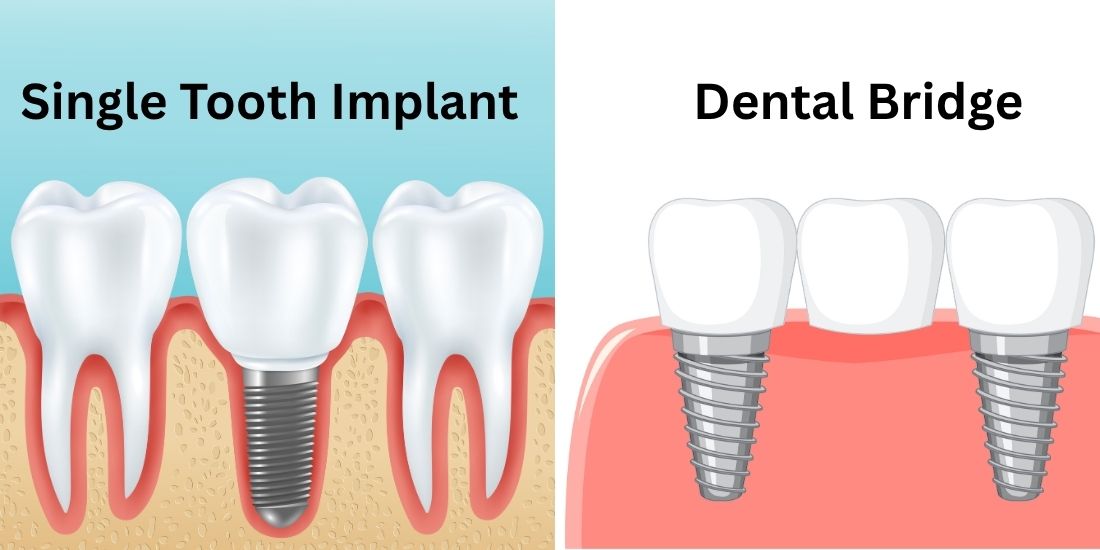
A dental implant is designed to replace both the missing tooth and its root. A small titanium implant is placed into the jawbone, where it gradually integrates with the surrounding bone. After healing, an abutment and dental crown are attached to create a functional replacement tooth.
One of the major advantages of an implant is that it does not require the neighboring healthy teeth to be reduced or modified for support.
What Is a Dental Bridge?
A dental bridge replaces a missing tooth by using the teeth on either side of the gap as support. These supporting teeth are generally prepared to accommodate crowns connected to an artificial tooth, known as a pontic.
Bridges can restore appearance and chewing ability relatively quickly and may be suitable for patients who are not candidates for implants or prefer a different treatment approach.
Implant vs Bridge: What Most Patients Overlook
The initial cost and treatment duration are often the first things patients compare, but long-term considerations are equally important.
Impact on Neighboring Teeth
A single tooth implant stands independently and does not normally require adjacent teeth to provide support. A traditional bridge, however, relies on neighboring teeth.
If the supporting teeth are already healthy, some patients may prefer avoiding unnecessary alteration of those teeth.
Jawbone Preservation
Implants replace the tooth root as well as the visible crown. This provides stimulation to the jawbone and can help reduce bone deterioration in the treated area.
Traditional bridges replace the visible portion of the tooth but do not replace its root, so they do not provide the same direct stimulation to the underlying bone.
Maintenance and Oral Hygiene
Cleaning around an implant is generally similar to caring for a natural tooth, although patients still need to follow proper brushing, flossing, and professional cleaning routines.
Bridges require careful cleaning underneath the artificial tooth and around the supporting teeth. Special flossing tools or interdental cleaners may be recommended to maintain good hygiene.
Which Option Lasts Longer?
Both implants and bridges can provide long-lasting tooth replacement when properly planned and maintained. However, their longevity depends on several factors, including oral hygiene, bite forces, general dental health, lifestyle habits, and regular dental visits.
A properly maintained implant can offer a durable long-term solution, while a well-maintained bridge can also function effectively for many years.
Why Professional Evaluation Matters
At Elites Surya Dental Clinic, treatment planning is based on the patient’s individual oral condition rather than simply choosing the most popular option. Factors such as jawbone health, gum condition, neighboring teeth, bite alignment, medical history, and personal preferences can influence the recommended treatment.
A detailed examination and appropriate dental imaging can help determine whether an implant or bridge is the more suitable solution.
Cost vs Long-Term Value
A bridge may have a lower initial treatment cost in some cases, while an implant may involve a higher upfront investment. However, comparing only the initial price can be misleading.
The better approach is to consider the expected lifespan, maintenance requirements, impact on neighboring teeth, bone preservation, and future dental needs. Your dentist can explain the benefits, limitations, and expected costs of each option before treatment begins.
Making the Right Choice for Your Smile
There is no universal answer to whether an implant or bridge is better. For patients with adequate bone support and healthy surrounding tissues, a single tooth implant can offer a natural-looking and independent replacement. A dental bridge may be appropriate when an implant is unsuitable or when the surrounding teeth can effectively support the restoration.
If you have a missing tooth and want to understand your treatment options, consult the Best Dental Clinic in Madurai for a personalized evaluation. The right treatment plan can restore your ability to chew comfortably, protect your remaining teeth, and help you maintain a healthy smile for years to come.