• suryamedigroups@gmail.com

  • +91- 9600968644

  • What Foreign Patients Should Know Before Getting Dental Implants in India

    Dental Implant Center

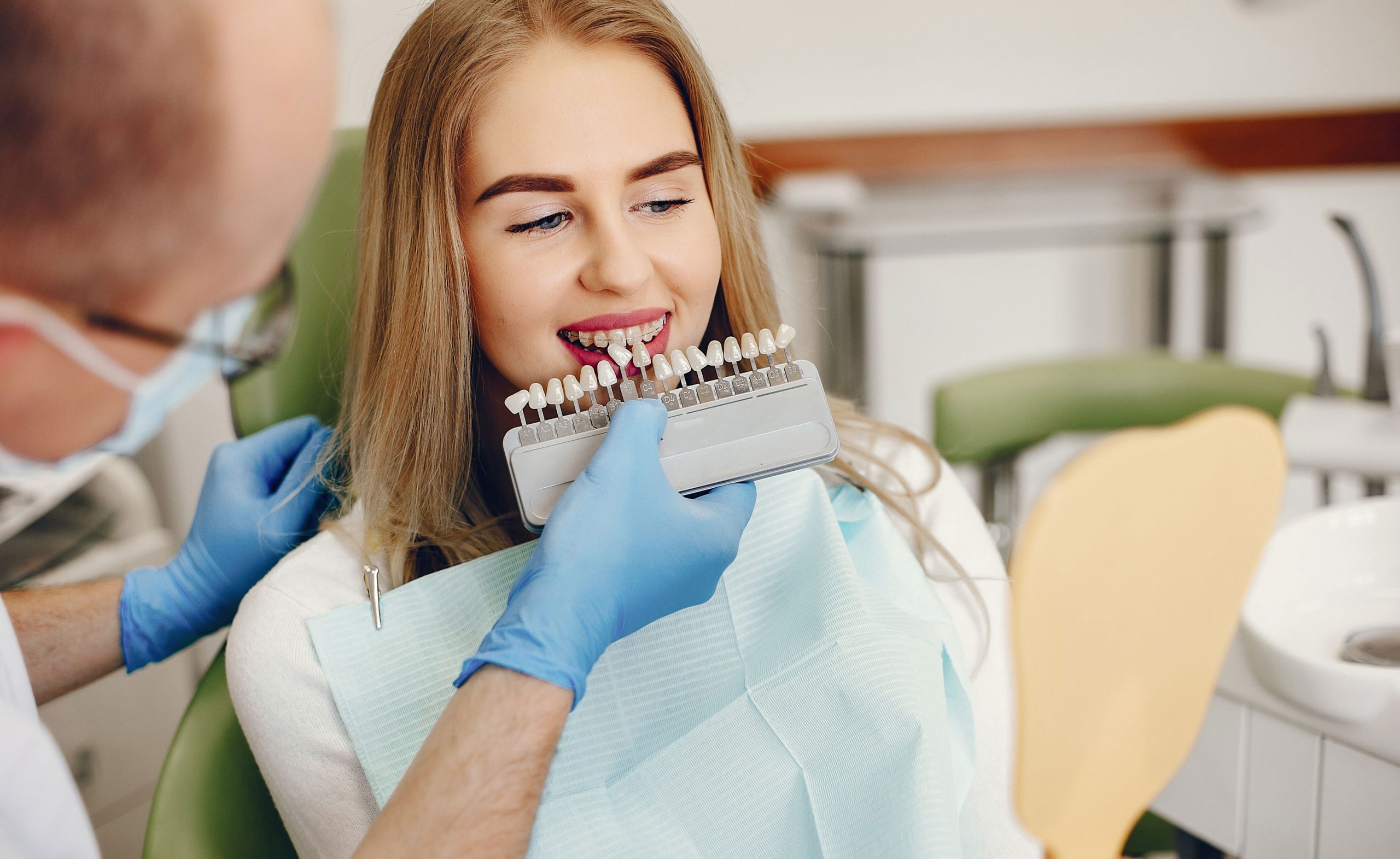
    Dental tourism has become an increasingly popular option for international patients seeking quality treatment at competitive costs. India is known for its experienced dental professionals, modern treatment facilities, and access to advanced dental technologies. However, travelling to another country for dental implants requires careful planning. Choosing a reliable Dental Implant Center in Madurai can help foreign patients receive a properly planned treatment while ensuring their dental and travel needs are considered.

    Understand Whether You Are a Suitable Candidate

    Not every patient is immediately suitable for dental implant treatment. Before travelling to India, it is important to undergo an initial assessment. Factors such as jawbone density, gum health, the number of missing teeth, and overall oral condition can affect your treatment plan.

    Foreign patients should share recent dental X-rays, scans, and relevant medical information with the dental team whenever possible. This may help the dentist provide an initial opinion before the patient travels. However, a final treatment recommendation should be based on an in-person examination and appropriate diagnostic imaging.

    Know That Dental Implant Treatment Takes Time

    One of the most important things international patients should understand is that dental implant treatment may involve more than one stage. The implant is placed into the jawbone and usually requires a healing period before the final crown is attached.

    The exact timeline varies from patient to patient. Some may be eligible for immediate or faster treatment protocols, while others may need additional healing time. Bone grafting, sinus procedures, or treatment for gum problems can also extend the overall process.

    Before booking your trip, ask the dental clinic about the expected number of visits and the estimated duration of each stage.

    Share Your Complete Medical and Dental History

    Your dentist needs accurate information to plan treatment safely. Foreign patients should disclose relevant medical conditions, medications, allergies, previous surgeries, and dental treatment history.

    Certain health conditions and medications may influence healing or require additional precautions during treatment. Being transparent with your dental team helps them prepare an appropriate and personalized treatment plan.

    Ask About the Technology and Treatment Process

    Dental implant treatment requires careful planning. Ask the clinic about the diagnostic procedures used before implant placement, such as digital imaging or 3D scans, when clinically required.

    You should also understand the complete process, including implant placement, healing, the final restoration, and follow-up care. A trustworthy clinic should clearly explain what your treatment involves rather than promising the same timeline or outcome for every patient.

    Consider the Total Cost, Not Just the Implant Price

    One reason many international patients consider treatment in India is affordability. However, it is important to understand exactly what is included in the quoted treatment cost.

    Ask whether the estimate includes consultations, diagnostic imaging, implant placement, abutments, crowns, temporary restorations, medications, and follow-up appointments. If additional procedures such as bone grafting are required, find out whether these will involve separate charges.

    You should also consider travel expenses, accommodation, food, local transportation, and the possibility of an extended stay.

    Plan Your Travel Around Recovery Time

    Avoid planning a very tight travel schedule around your dental procedure. You may need time to rest and attend follow-up appointments before travelling back home.

    Your dentist can advise you about the expected recovery period and when you may be comfortable returning to your normal activities. If your treatment involves multiple stages, you may also need to plan a second visit to India.

    Keeping your return travel flexible can be helpful in case your treatment schedule needs adjustment.

    Understand Aftercare Before You Return Home

    Aftercare is an essential part of successful implant treatment. Before leaving India, ask for clear instructions regarding oral hygiene, diet, medications, and warning signs that require professional attention.

    You should also receive details about the implant system and treatment performed. This information may be useful if you need follow-up care after returning to your home country.

    It is also a good idea to identify a dentist near your home who can provide routine dental care and communicate with your treatment provider if necessary.

    Why Choosing the Right Clinic Matters

    Foreign patients should take time to evaluate the qualifications and experience of the dental team, the hygiene and safety standards followed by the clinic, available technology, and communication support.

    At Elites Surya Dental Clinic, patients can discuss their dental concerns and receive an individualized treatment plan based on their oral health requirements. Clear communication, proper diagnosis, and realistic treatment planning are especially important when patients are travelling from another country.

    Prepare the Right Questions Before Your Visit

    Before confirming treatment, consider asking:

    • How many visits will I need?
    • How long should I stay in India?
    • What diagnostic tests are required?
    • Is bone grafting likely to be necessary?
    • What is included in the treatment estimate?
    • What implant system will be used?
    • When can I safely travel after treatment?
    • What follow-up care will I need at home?

    Having these answers before travelling can help you plan your treatment and stay with greater confidence.

    Final Thoughts

    Getting dental implants in another country can be a practical option, but successful treatment begins with proper research and realistic planning. Understanding your eligibility, treatment timeline, total costs, travel requirements, and aftercare responsibilities can help you make a more informed decision.

    If you are considering dental implants during your visit to India, choosing the Best Dental Clinic in Madurai and discussing your needs with an experienced dental team can help you plan treatment with greater clarity. A trusted Dental Implant Center in Madurai can provide the guidance needed to understand each stage of the procedure and make your dental journey more comfortable.
    Single Tooth Implant vs Dental Bridge: What Works Better Long-Term?

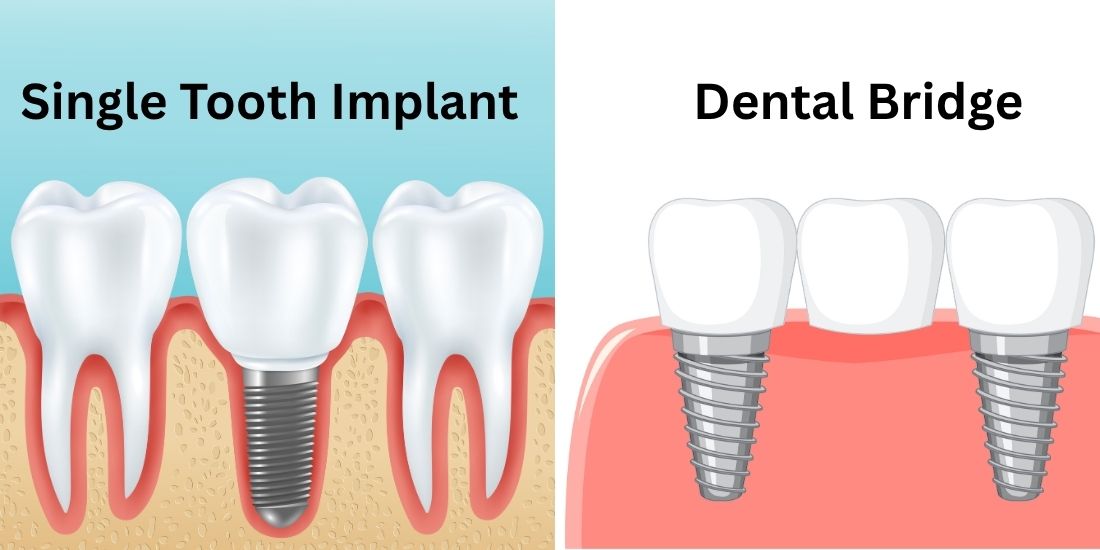
    Single Tooth Implant vs Dental Bridge

    Losing a single tooth can affect more than just your smile. It can change the way you chew, allow nearby teeth to shift, and gradually affect your oral health. Choosing the right replacement option is therefore an important decision. A consultation at a trusted Dental Implant Center in Madurai can help you understand whether a single tooth implant or a dental bridge is better suited to your long-term dental needs.

    Why Should a Missing Tooth Be Replaced?

    A missing tooth leaves an empty space that can affect the balance of your bite. Over time, neighboring teeth may begin moving toward the gap, potentially creating alignment problems. The jawbone in the area can also gradually lose density because it no longer receives stimulation from a natural tooth root.

    Replacing the tooth can help restore chewing function, maintain better dental alignment, and improve the appearance of your smile.

    What Is a Single Tooth Implant?

    A dental implant is designed to replace both the missing tooth and its root. A small titanium implant is placed into the jawbone, where it gradually integrates with the surrounding bone. After healing, an abutment and dental crown are attached to create a functional replacement tooth.

    One of the major advantages of an implant is that it does not require the neighboring healthy teeth to be reduced or modified for support.

    What Is a Dental Bridge?

    A dental bridge replaces a missing tooth by using the teeth on either side of the gap as support. These supporting teeth are generally prepared to accommodate crowns connected to an artificial tooth, known as a pontic.

    Bridges can restore appearance and chewing ability relatively quickly and may be suitable for patients who are not candidates for implants or prefer a different treatment approach.

    Implant vs Bridge: What Most Patients Overlook

    The initial cost and treatment duration are often the first things patients compare, but long-term considerations are equally important.

    Impact on Neighboring Teeth

    A single tooth implant stands independently and does not normally require adjacent teeth to provide support. A traditional bridge, however, relies on neighboring teeth.

    If the supporting teeth are already healthy, some patients may prefer avoiding unnecessary alteration of those teeth.

    Jawbone Preservation

    Implants replace the tooth root as well as the visible crown. This provides stimulation to the jawbone and can help reduce bone deterioration in the treated area.

    Traditional bridges replace the visible portion of the tooth but do not replace its root, so they do not provide the same direct stimulation to the underlying bone.

    Maintenance and Oral Hygiene

    Cleaning around an implant is generally similar to caring for a natural tooth, although patients still need to follow proper brushing, flossing, and professional cleaning routines.

    Bridges require careful cleaning underneath the artificial tooth and around the supporting teeth. Special flossing tools or interdental cleaners may be recommended to maintain good hygiene.

    Which Option Lasts Longer?

    Both implants and bridges can provide long-lasting tooth replacement when properly planned and maintained. However, their longevity depends on several factors, including oral hygiene, bite forces, general dental health, lifestyle habits, and regular dental visits.

    A properly maintained implant can offer a durable long-term solution, while a well-maintained bridge can also function effectively for many years.

    Why Professional Evaluation Matters

    At Elites Surya Dental Clinic, treatment planning is based on the patient’s individual oral condition rather than simply choosing the most popular option. Factors such as jawbone health, gum condition, neighboring teeth, bite alignment, medical history, and personal preferences can influence the recommended treatment.

    A detailed examination and appropriate dental imaging can help determine whether an implant or bridge is the more suitable solution.

    Cost vs Long-Term Value

    A bridge may have a lower initial treatment cost in some cases, while an implant may involve a higher upfront investment. However, comparing only the initial price can be misleading.

    The better approach is to consider the expected lifespan, maintenance requirements, impact on neighboring teeth, bone preservation, and future dental needs. Your dentist can explain the benefits, limitations, and expected costs of each option before treatment begins.

    Making the Right Choice for Your Smile

    There is no universal answer to whether an implant or bridge is better. For patients with adequate bone support and healthy surrounding tissues, a single tooth implant can offer a natural-looking and independent replacement. A dental bridge may be appropriate when an implant is unsuitable or when the surrounding teeth can effectively support the restoration.

    If you have a missing tooth and want to understand your treatment options, consult the Best Dental Clinic in Madurai for a personalized evaluation. The right treatment plan can restore your ability to chew comfortably, protect your remaining teeth, and help you maintain a healthy smile for years to come.

    Oil Pulling & Charcoal Pastes: Medical Facts vs. Social Media Myths

    Pastes

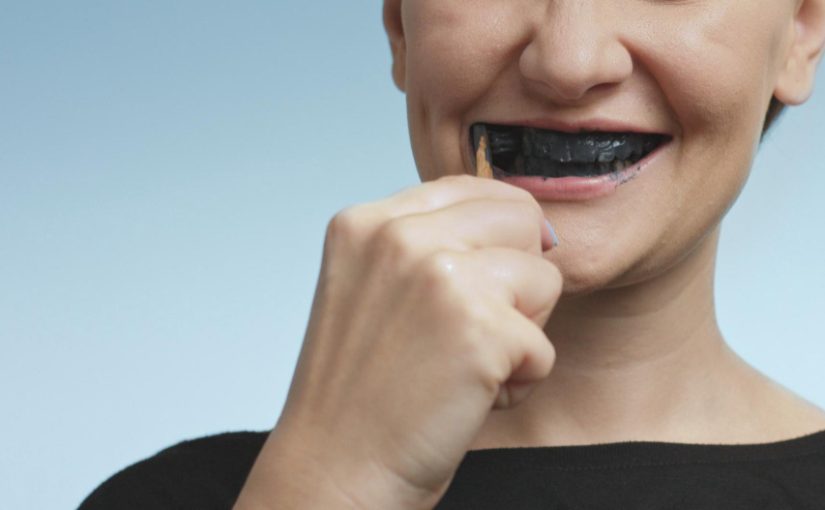
    Take a walk through TikTok or Instagram, and one will find influencers with teeth so darkly stained that they are black or swishing coconut oil that heals their cavities. The health and wellness world has embraced alternative dental fads with open arms. Activated charcoal pastes and oil pulling have been endorsed by many as natural remedies to whitening yellowing teeth, curing halitosis, and even treating other ailments. But how does scientific literature support such claims?

    While ignoring the visuals from social media, science tells us that social media fads confuse traditional practices with miraculous treatments. You should visit the best dental clinic in Madurai. Here is where we get into the science and dangers behind these two enormous fads. 

    Part 1: Oil Pulling — Ancient Ritual or Modern Miracle? 

    Oil pulling is not something that was discovered recently; it is an ancient practice in Ayurveda that has been around for thousands of years. It is done by swishing one tablespoon of vegetable oil in the mouth for 10 to 20 minutes on an empty stomach. 

    Myths about Social Media 

    • The Myth: It removes heavy metals and “toxins” from your bloodstream. 
    • The Myth: It is able to repair advanced cases of tooth decay and heal cavities. 
    • The Myth: It makes brushing and using chemical mouthwashes unnecessary. 

    There is no scientific or peer-reviewed proof that oil pulling is capable of reversing cavities, whitening your teeth or detoxifying your blood. This does not mean that oil pulling does not have any value at all. The coconut oil has lauric acid, and it has natural antimicrobial properties. There is clinical evidence to prove that swishing action plays a big role in breaking down plaque biofilm and reduces Streptococcus mutans (bacteria responsible for bad breath and tooth decay). All in all, it is basically a natural mouthwash. 

    The Unseen Dangers 

    • Lipoid Pneumonia: As you inhale (or aspirate) tiny oil particles during an intensive 20-minute workout, the oil is deposited in your lungs, causing lipoid pneumonia. 
    • Plumbing Clog: Dumping coconut oil down the drain or the toilet may clog your house’s plumbing system since it coagulates. Make sure to dispose of it in a bin. 

    Part 2: Charcoal Pastes — The Dark Side of White Teeth 

    Activated charcoal is a fine, black-colored powder derived from peat, coal, or coconut shells and processed under very high temperatures to increase its porosity. As it works as a magnet to attract toxins in medical emergencies, beauty products state that activated charcoal performs the same function in your teeth. 

    Social Media Misconceptions 

    • The Misconception: It digs out the internal dirt in your enamel to whiten your teeth professionally. 
    • The Misconception: It cleans your gums and kills germs in the mouth better than regular toothpaste. 

    The Medical Facts 

    Is there any possibility that charcoal toothpaste whitens your teeth? Yes, but certainly not in a safe way. Charcoal does nothing except scrubbing off stains through abrasion. In dentistry, the amount of abrasiveness of toothpaste is measured by something known as Relative Dentin Abrasivity (RDA). Whereby safe toothpastes ensure that the RDA value is maintained, most charcoal powders and toothpaste brands have high values of abrasion. It does not work by bleaching the stains with chemicals as professional hydrogen peroxide gel does; instead, it acts like sandpaper, removing stains along with your natural tooth enamel. 

    The Hidden Risks 

    • Permanent Enamel Erosion: As the enamel doesn’t regenerate, once it is scrubbed off by charcoal, it exposes the inner layer of yellow enamel (the dentin) of your teeth, thereby increasing the yellowness of your teeth over time. 
    • Severe Tooth Sensitivity: With dentin becoming exposed, you will feel a sharp pain upon eating or drinking anything hot, cold, or sweet. 
    • Cavity Risk: The overwhelming majority of charcoal toothpaste brands that use viruses are fluoride-free. When there is no fluoride in the toothpaste, then your teeth lack the major protection against decay. 
    • Black Staining: Ironically, the black particles of charcoal become trapped in the microscopic cracks in older teeth and dental bonding. 

    Conclusion 

    But if you wish to try the practice of oil pulling for the minor antibacterial effect and fresh breath, you are welcome to do it—as long as you brush your teeth at least twice a day with fluoride toothpaste and floss every time. However, you need to stop using all that raw charcoal powder and daily charcoal toothpaste altogether. If it’s bright white teeth you’re after, then go with clinically proven methods. Either use a bleaching toothpaste with low abrasion peroxide or discuss whitening procedures in the clinic with the best dentist in Madurai