

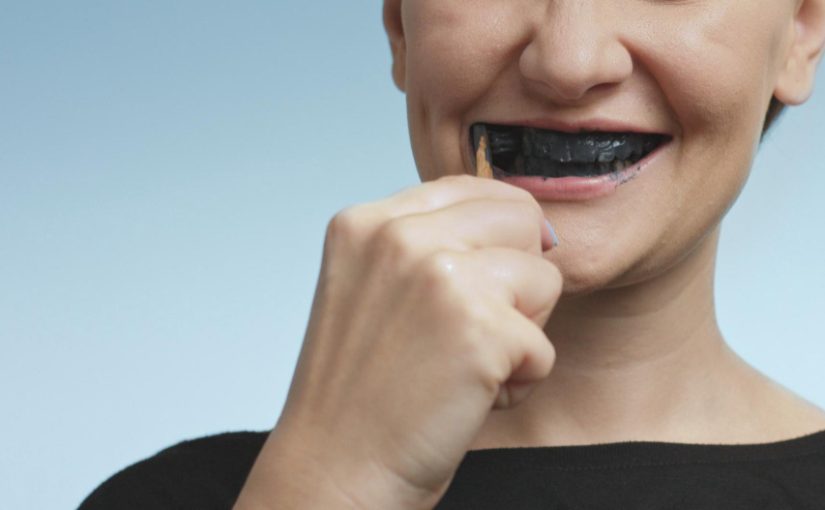

Take a walk through TikTok or Instagram, and one will find influencers with teeth so darkly stained that they are black or swishing coconut oil that heals their cavities. The health and wellness world has embraced alternative dental fads with open arms. Activated charcoal pastes and oil pulling have been endorsed by many as natural remedies to whitening yellowing teeth, curing halitosis, and even treating other ailments. But how does scientific literature support such claims?
While ignoring the visuals from social media, science tells us that social media fads confuse traditional practices with miraculous treatments. You should visit the best dental clinic in Madurai. Here is where we get into the science and dangers behind these two enormous fads.
Part 1: Oil Pulling — Ancient Ritual or Modern Miracle?
Oil pulling is not something that was discovered recently; it is an ancient practice in Ayurveda that has been around for thousands of years. It is done by swishing one tablespoon of vegetable oil in the mouth for 10 to 20 minutes on an empty stomach.
Myths about Social Media
- The Myth: It removes heavy metals and “toxins” from your bloodstream.
- The Myth: It is able to repair advanced cases of tooth decay and heal cavities.
- The Myth: It makes brushing and using chemical mouthwashes unnecessary.
There is no scientific or peer-reviewed proof that oil pulling is capable of reversing cavities, whitening your teeth or detoxifying your blood. This does not mean that oil pulling does not have any value at all. The coconut oil has lauric acid, and it has natural antimicrobial properties. There is clinical evidence to prove that swishing action plays a big role in breaking down plaque biofilm and reduces Streptococcus mutans (bacteria responsible for bad breath and tooth decay). All in all, it is basically a natural mouthwash.
The Unseen Dangers
- Lipoid Pneumonia: As you inhale (or aspirate) tiny oil particles during an intensive 20-minute workout, the oil is deposited in your lungs, causing lipoid pneumonia.
- Plumbing Clog: Dumping coconut oil down the drain or the toilet may clog your house’s plumbing system since it coagulates. Make sure to dispose of it in a bin.
Part 2: Charcoal Pastes — The Dark Side of White Teeth
Activated charcoal is a fine, black-colored powder derived from peat, coal, or coconut shells and processed under very high temperatures to increase its porosity. As it works as a magnet to attract toxins in medical emergencies, beauty products state that activated charcoal performs the same function in your teeth.
Social Media Misconceptions
- The Misconception: It digs out the internal dirt in your enamel to whiten your teeth professionally.
- The Misconception: It cleans your gums and kills germs in the mouth better than regular toothpaste.
The Medical Facts
Is there any possibility that charcoal toothpaste whitens your teeth? Yes, but certainly not in a safe way. Charcoal does nothing except scrubbing off stains through abrasion. In dentistry, the amount of abrasiveness of toothpaste is measured by something known as Relative Dentin Abrasivity (RDA). Whereby safe toothpastes ensure that the RDA value is maintained, most charcoal powders and toothpaste brands have high values of abrasion. It does not work by bleaching the stains with chemicals as professional hydrogen peroxide gel does; instead, it acts like sandpaper, removing stains along with your natural tooth enamel.
The Hidden Risks
- Permanent Enamel Erosion: As the enamel doesn’t regenerate, once it is scrubbed off by charcoal, it exposes the inner layer of yellow enamel (the dentin) of your teeth, thereby increasing the yellowness of your teeth over time.
- Severe Tooth Sensitivity: With dentin becoming exposed, you will feel a sharp pain upon eating or drinking anything hot, cold, or sweet.
- Cavity Risk: The overwhelming majority of charcoal toothpaste brands that use viruses are fluoride-free. When there is no fluoride in the toothpaste, then your teeth lack the major protection against decay.
- Black Staining: Ironically, the black particles of charcoal become trapped in the microscopic cracks in older teeth and dental bonding.
Conclusion
But if you wish to try the practice of oil pulling for the minor antibacterial effect and fresh breath, you are welcome to do it—as long as you brush your teeth at least twice a day with fluoride toothpaste and floss every time. However, you need to stop using all that raw charcoal powder and daily charcoal toothpaste altogether. If it’s bright white teeth you’re after, then go with clinically proven methods. Either use a bleaching toothpaste with low abrasion peroxide or discuss whitening procedures in the clinic with the best dentist in Madurai.